

https://www.youtube.com/watch?v=T4q1g3EZtZk Summary: Exploring the Hanover Entry-Level Yacht Key Takeaways
If you’re researching an entry-level yacht that feels more upscale than the label suggests, the Hanover deserves a close look. In Life Offshore’s video review, the creator presents this model as a stylish crossover between everyday boating practicality and weekend cruising comfort, with room for day trips, overnight stays, and easy handling at the dock.
According to Life Offshore, the Hanover blends luxury and sportiness in a package that can fit up to people and sleep five guests. The video also highlights several concrete specs: 37 feet in length, a 10-foot-7-inch beam, 150 gallons of fuel capacity, and a 50-gallon freshwater tank. Those numbers matter because they place this boat in a sweet spot between smaller day-focused motorboats and much larger, more expensive cruising yachts.
As demonstrated in the video, the Hanover also arrives with equipment many first-time yacht buyers want but don’t always get at this size: Mercury VesselView, twin Raymarine GPS displays, Mercury DTS throttles, and joystick control for close-quarters maneuvering. In 2026, that mix of usability and onboard tech is a big part of what makes an entry-level yacht stand out.
This article expands on the review by adding context on boat maintenance, marine safety, boating regulations, boat engines, coastal navigation, and even where this boat fits among other watercraft like pontoon boats, fishing boats, and sailboats. If you want more than a quick boat review, you’re in the right place.
Key Takeaways on the Hanover Entry-Level Yacht
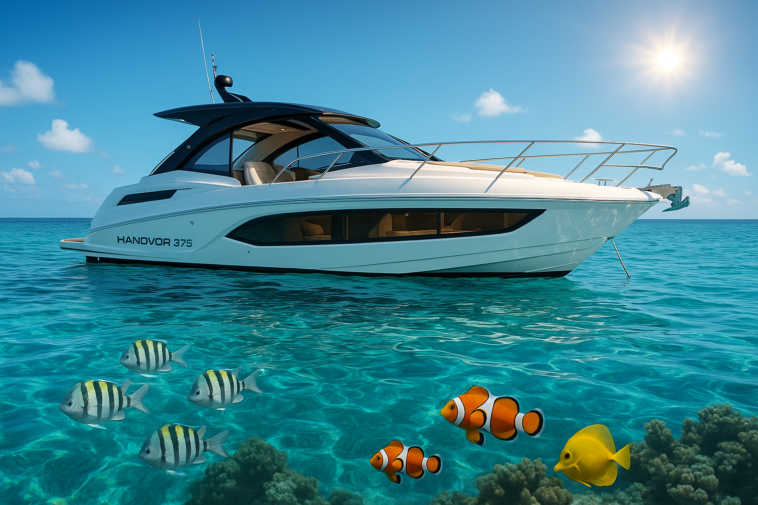
The Hanover makes a strong first impression because it doesn’t look stripped down or basic. The creator explains that it has an “irresistibly stylish” design with an athletic aesthetic, and that phrase fits the boat well. You’re getting the visual presence of a premium coastal cruiser without stepping into the budget, maintenance burden, or docking anxiety that often comes with much larger yachts.
What stands out most is the balance. Many motorboats in the sub-40-foot range lean heavily toward either day-boating fun or overnight comfort. The Hanover tries to do both. As shown in the video, it can accommodate people for entertaining and still provide sleeping arrangements for five. That makes it useful for family cruising, short-term liveaboard weekends, water sports days, and social harbor hopping.
Here are the biggest practical takeaways:
- Best use case: day cruising with occasional overnight stays
- Capacity: up to people aboard for entertaining
- Overnight comfort: sleeping space for five guests
- Handling advantage: joystick docking reduces stress for newer owners
- Tech package: dual GPS and vessel monitoring improve confidence
In our experience reviewing boats in this category, that combination matters more than flashy marketing claims. A first-time yacht buyer usually wants three things: predictable handling, enough room for guests, and systems that don’t feel intimidating. The video demonstrates all three. It also places the Hanover in a broader boating conversation, where buyers may be comparing it not only with other express cruisers, but also with pontoon boats for entertaining, fishing boats for versatility, and sailboats for overnight character.
If you’re stepping up from kayaking, paddling craft, smaller center consoles, or family bowriders, this entry-level yacht offers a more protected and feature-rich path into serious cruising.
Overview of the Hanover Specifications
The raw numbers tell you a lot about how the Hanover will feel on the water. Life Offshore states that the boat measures 37 feet overall with a 10-foot 7-inch beam. That beam gives it meaningful cockpit and cabin width without making the boat feel oversized in tighter marinas. For many owners, this is a workable size for weekend cruising, coastal navigation, and entertaining without needing a professional captain.
The capacities also point to its intended role. With a 150-gallon fuel capacity and a 50-gallon freshwater tank, the Hanover is better suited for short coastal trips, sandbar days, and one- to two-night outings than long-range passagemaking. That’s not a weakness. It’s clarity. An entry-level yacht should be easy to use often, not so complex that it sits at the dock.
Here’s a quick specs table for reference:
| Specification | Hanover 375 |
| Length | 37 feet |
| Beam | 10 feet inches |
| Fuel Capacity | 150 gallons |
| Freshwater Capacity | 50 gallons |
| Guest Capacity | 15 people |
| Sleeping Capacity | 5 guests |
What do those numbers mean in practice?
- Length: enough hull to handle moderate chop better than many smaller day boats.
- Beam: enough width for better stability at rest and more usable seating.
- Fuel: enough capacity for realistic weekend boating, depending on engine setup and speed.
- Water: enough reserve for sink use, rinsing, and a stand-up shower on short trips.
For comparison, many boaters moving up from smaller watercraft have only experienced open-deck motorboats or fishing boats with minimal cabin amenities. The Hanover bridges that gap. It’s not a trawler, not a sailboat, and not a pure performance boat. It’s a modern cruising platform for owners who want a real cabin, proper marine electronics, and a manageable learning curve.
Luxury Meets Functionality in This Entry-Level Yacht Design
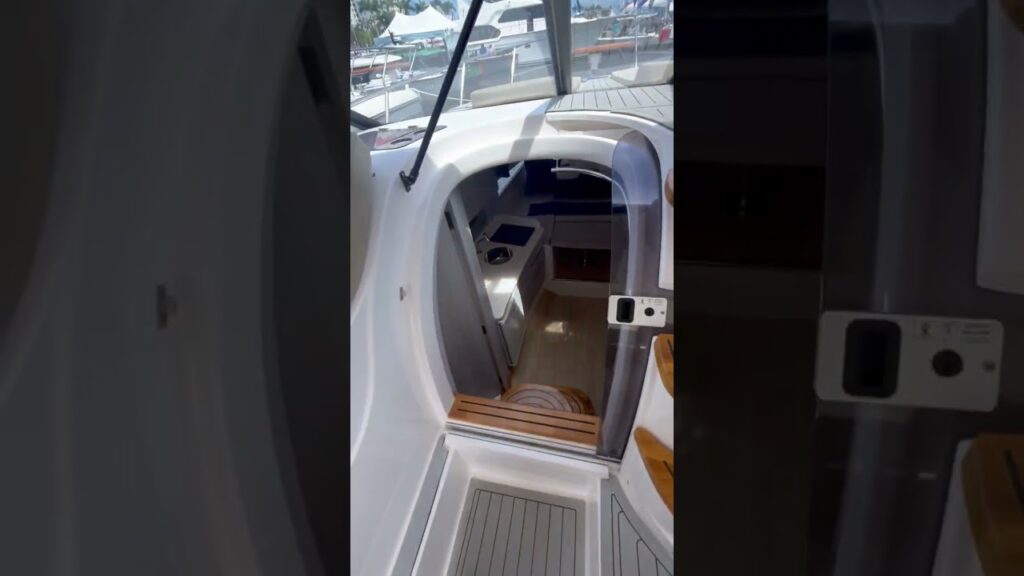
The Hanover 375’s strongest selling point may be how efficiently it uses space. The video shows a cabin layout that prioritizes real-world comfort rather than checking feature boxes. According to Life Offshore, Hanover does a great job of using the most of the available cabin space, and that’s exactly what an entry-level yacht needs to do well. At feet, every square foot has to justify itself.
Down below, you get three essentials that shape the overnight experience: sleeping quarters, a functional galley, and a private head with a stand-up shower. That last detail is more significant than it sounds. On many compact cruisers, the head feels cramped, wet, and compromise-heavy. A proper stand-up shower improves comfort on overnight trips and makes the boat more realistic for couples or families.
The galley matters too. If you want to cruise rather than just anchor and snack, you need a layout that supports simple meal prep. Think coffee in the morning, sandwiches at noon, and light dinner service at anchor. That can reduce marina dependence and save money over a season. Basic boating comfort is often decided by small details: prep space, ventilation, headroom, and where people can store soft bags and gear.
Design-wise, the Hanover also fits current buyer expectations. In 2026, shoppers expect a boat review to address not just looks, but lifestyle use. This yacht’s exterior styling leans sporty, while the interior supports actual cruising. That combination appeals to owners who might otherwise compare express cruisers with sportier motorboats, weekend cabin boats, or even upscale pontoon boats focused on social boating. If your goal is a boat that looks sharp at the marina and still works for overnight escapes, the design brief here makes sense.
Navigation and Electronics Features on the Hanover Entry-Level Yacht
The helm is where this boat becomes especially appealing for newer yacht owners. As demonstrated in the video, the Hanover includes Mercury VesselView, twin Raymarine GPS units, Mercury DTS throttles, and joystick control. That’s a strong technology package for a buyer who wants confidence, situational awareness, and easier docking techniques from day one.
VesselView gives you engine and systems monitoring in one place, which helps you keep track of performance data, alerts, and operating conditions. Twin GPS displays improve route awareness and redundancy. You can dedicate one screen to chartplotting and another to system data, sonar, or broader navigation tools depending on your setup. For coastal navigation, that split-screen flexibility can reduce clutter and decision fatigue.
Mercury DTS throttles matter because digital controls feel smoother and more precise than older mechanical setups. Small inputs become easier, especially when maneuvering around pilings, current, or a crowded fuel dock. The big headline, though, is the joystick. New owners often fear docking more than offshore running. A joystick won’t replace seamanship, but it can make close-quarters handling far less stressful.
To get the most from this tech, follow this basic routine:
- Before departure: check GPS route, depth data, fuel level, and engine alerts.
- Underway: monitor speed, trim, and no-wake zone compliance.
- Approaching the dock: reduce speed early, assess wind/current, then use joystick inputs gently.
- After docking: review any alerts and log issues before they become repairs.
For broader marine electronics context, Raymarine product details are available at Raymarine, while boaters should also review local aids to navigation and safety guidance from the U.S. Coast Guard Navigation Center. The creator explains the helm clearly, but the bigger takeaway is this: a well-equipped helm can shorten the learning curve without turning boating into a push-button activity.
Power Options: Inboards vs. Outboards
One of the more useful details from the video is that you can power the Hanover with inboards or outboards. That flexibility matters because engine choice affects maintenance, swim platform space, noise, service access, top speed, and resale appeal. There isn’t one perfect answer. The right setup depends on how you plan to use your boat.
Inboards often appeal to owners who want a cleaner transom profile, a different ride feel, and in some layouts, easier integration with onboard systems. They’re common in cruising-oriented motorboats and can support a refined onboard experience. Outboards, by contrast, are popular because of serviceability, strong acceleration, and straightforward replacement or repower options. Many buyers also like keeping machinery outside the main interior footprint.
Fuel efficiency depends on hull, load, sea state, and throttle habits, but engine selection still plays a major role. For example:
- Inboards may suit: owners prioritizing cruising character and integrated layouts
- Outboards may suit: buyers who want easier service access and strong performance
- Either setup benefits from: proper trim, clean hull maintenance, and realistic speed planning
When comparing boat engines, don’t look only at horsepower. Ask these questions:
- How far do you typically cruise in a day?
- Will you keep the boat in saltwater full time?
- Is a nearby service network available for your chosen brand?
- Do you value swim platform access more than repower flexibility?
This also helps place the Hanover among other boat types. Fishing boats often prioritize open cockpit function. Sailboats prioritize wind-driven efficiency and different seamanship skills. Pontoon boats focus on social stability. This entry-level yacht sits in the middle of comfort, cruising, and powerboat practicality. That’s why the engine choice is such a meaningful part of ownership planning.
Boating Safety and Maintenance Tips
A good-looking yacht won’t stay enjoyable if you ignore safety and maintenance. The Hanover may be approachable, but it’s still a serious piece of marine equipment. Regular boat maintenance protects reliability, preserves resale value, and reduces the chance that a fun outing turns into an expensive tow. According to the U.S. Coast Guard’s boating safety guidance at USCG Boating Safety, basic preparation and equipment checks remain some of the most effective ways to prevent emergencies.
Start with a repeatable pre-departure checklist:
- Check weather considerations: wind, thunderstorms, tides, and visibility.
- Inspect marine safety gear: life jackets, fire extinguishers, signaling devices, and first aid kit.
- Review fluids and systems: fuel, batteries, bilge pumps, freshwater, and electronics.
- Confirm boating regulations: registration, lights, no-wake zones, and operator requirements.
For ongoing upkeep, focus on high-value tasks. Wash salt off after every trip. Service engines on schedule. Keep the hull clean, because fouling can hurt performance and fuel burn. Test pumps, lights, horn, and navigation tools regularly. If your boat sits unused for long periods, battery care and moisture control become even more important.
Marine safety isn’t just about your boat either. It affects everyone around you: paddling users, kayakers, sailboats, swimmers, and anglers in smaller fishing boats. Slow down near crowded channels and marinas. Practice docking techniques in open water before you need them in tight quarters. If you’re carrying to people, assign basic roles like line handling and fender placement before arrival.
And don’t overlook boat insurance. For newer yacht owners, insurance can cover liability, storm damage, theft, medical payments, and towing. Ask your provider about hurricane plans, named operators, and electronics coverage. Safe boating starts before you leave the slip.
Environmental Impact of Boating
Boating freedom comes with responsibility. Whether you run motorboats, sailboats, fishing boats, or personal watercraft, your decisions affect shorelines, wildlife, and water quality. The video doesn’t go deep on this topic, but it’s one area where buyers should think beyond the purchase. An entry-level yacht should be easy to enjoy without creating avoidable environmental damage.
Start with the basics: reduce fuel waste, avoid unnecessary idling, and maintain your boat engines properly. Poorly maintained engines can produce more smoke, noise, and leakage. Even small habits matter. Use bilge absorbent pads, pump out waste legally, and secure trash so it doesn’t blow overboard. When anchoring, avoid sensitive seagrass or reef areas if local charts or marina guidance identify them.
Sustainable boating also opens doors to ecotourism. Quiet morning wildlife cruises, mangrove tours, and low-impact coastal exploration can be every bit as rewarding as high-speed runs. If you enjoy kayaking or paddling at destinations, a yacht can become a launch platform for lower-impact water adventures. That blend of cruising and soft adventure is growing fast in as more owners seek meaningful boating destinations rather than just crowded party spots.
Community clean-water initiatives matter too. Many marinas host cleanup days, derelict gear collection events, and shoreline restoration efforts. Joining one builds local knowledge and better seamanship habits. Accessible boating programs for disabled individuals are also becoming more visible, helping more people experience waterways through adaptive docks, transfer systems, and inclusive training. Responsible boating should widen access while reducing harm. That’s a better long-term future for everyone on the water.
Future Trends in Boating Technology
The Hanover already shows how much marine electronics have changed the ownership experience, but the next wave of boating tech is moving even faster. If you’re buying an entry-level yacht now, it’s smart to think about what features will matter over the next five to seven years. Today’s buyers want simpler operation, better system visibility, and fewer surprises during cruising.
Three trends stand out. First, smarter integration: chartplotters, engine data, cameras, sonar, and mobile apps are increasingly linked into one ecosystem. Second, eco-friendlier propulsion: hybrid systems, improved battery banks, and more efficient hull design are getting attention even in mainstream boat reviews. Third, AI-assisted navigation and safety: collision alerts, route suggestions, and automated monitoring are becoming more realistic for everyday boaters.
Autonomous boating systems still won’t replace seamanship anytime soon, especially in crowded marinas or changing weather. But assistance tools are improving. Expect better docking cameras, object detection, engine diagnostics, and predictive maintenance alerts. Those features can help owners catch issues earlier and reduce operator stress.
Practical upgrades to watch:
- Remote monitoring apps for batteries, bilge, and security
- Integrated weather overlays on navigation tools
- Improved joystick and station-keeping systems
- Cleaner power options for marina and overnight use
The creator explains the Hanover 375’s helm in a way that highlights current usability. The broader takeaway is this: marine electronics are no longer optional luxury add-ons. They shape how confident, safe, and independent you feel as an owner. For first-time buyers, that may be the biggest buying factor after layout and price.
Teaching Kids Boating Safety
If you plan to use the Hanover as a family boat, teaching kids boating safety should start immediately. Children don’t need a lecture on every rule in one day. They need repeated, practical lessons tied to real actions on board. The earlier you build these habits, the more natural good seamanship becomes.
Begin with the non-negotiables. Kids should know where their life jacket is, when it must be worn, and how to move safely on deck. They should understand that the helm isn’t a play area, lines can pinch, and docking is a quiet time when they follow instructions. On a boat that can carry up to people, clear expectations help prevent confusion fast.
Use this simple teaching sequence:
- Fit safety gear correctly: choose a child-specific life jacket and check buckles every trip.
- Assign safe zones: show where kids can sit while underway and while docking.
- Practice emergency basics: how to call for help, where the throwable device is, and who to listen to.
- Make learning active: let them help spot buoys, read simple navigation markers, or hold a checklist.
You can also keep boating fun. Let kids learn knots, identify birds, help wipe down the boat, or compare boating styles like sailboats versus motorboats. If they like water sports, connect safety lessons to tubing, swimming, and paddling etiquette. For older children, introduce weather awareness and simple chart reading. Those are real skills, not busywork.
As demonstrated in the video, the Hanover is built for social use. That makes family training even more important. A calm, prepared child is safer than one who’s hearing rules for the first time during a stressful docking approach or sudden weather change.
Frequently Asked Questions
If you mean a production sailboat with broad, lasting popularity, the Catalina is often cited as one of the most popular sailboats ever built. More than 6,000 were produced, which makes it a common reference point in sailboats discussions. That said, popularity depends on whether you mean racing, cruising, or beginner ownership.
How to do a paper boat step by step?
Fold a rectangular sheet in half from top to bottom, then fold it again lightly to mark the center. Bring the top corners into the center, fold the bottom flaps up on both sides, open the hat shape into a square, then fold it up again into a smaller square. Pull the top corners apart, and your paper boat takes shape.
Who is sailing La Vagabonde?
La Vagabonde is sailed by Riley Whitelum and Elayna Carausu, the Australian couple behind the popular sailing channel of the same name. They became widely known for documenting long-distance cruising, family life aboard, and offshore seamanship. Their content helped introduce many new viewers to liveaboard sailing.
What skills do you need for sailing?
You need a mix of seamanship, weather awareness, boat handling, navigation, and safety skills. Practical abilities include reading charts, trimming sails, docking, anchoring, understanding boating regulations, and responding calmly in changing conditions. Good communication and basic mechanical knowledge also help a lot.
Do you need boat insurance for an entry-level yacht?
Boat insurance is often required by marinas and lenders, and it can protect you from liability, storm damage, theft, and towing costs. For an entry-level yacht, compare agreed value vs. actual cash value policies, review navigation limits, and make sure electronics and tenders are clearly listed.
Conclusion and Next Steps
The Hanover stands out because it understands what many first-time buyers actually want from an entry-level yacht: usable space, sharp styling, overnight comfort, approachable handling, and a helm loaded with practical technology. According to Life Offshore, the boat combines luxury and sportiness while offering room for 15 people and sleeping space for five guests. Those are not abstract lifestyle claims. They’re concrete ownership advantages.
The video shows the essentials clearly: a 37-foot platform, 10-foot-7-inch beam, 150-gallon fuel capacity, 50-gallon freshwater tank, and a helm equipped with VesselView, twin Raymarine GPS units, DTS throttles, and joystick docking. As the creator explains, that package makes the boat easier to enjoy both underway and in close quarters.
If you’re seriously considering this model, your next steps should be practical:
- Watch the original review and note the layout details that matter to your crew.
- Decide on engine preference: inboards or outboards based on service, performance, and transom use.
- Price full ownership costs: insurance, slip fees, fuel, maintenance, and safety gear.
- Schedule a sea trial and test visibility, docking response, and cabin comfort.
- Practice seamanship basics before buying, especially navigation, weather planning, and docking techniques.
If your boating goals include coastal cruising, family weekends, moderate entertaining, and a manageable step up from smaller watercraft, the Hanover looks like a compelling choice. The video demonstrates the promise. Your job is to match that promise to how you’ll really use the boat.
Frequently Asked Questions
What is the most popular sailboat of all time?
If you mean a production sailboat with broad, lasting popularity, the Catalina is often cited as one of the most popular sailboats ever built. More than 6,000 were produced, which makes it a common reference point in sailboats discussions. That said, popularity depends on whether you mean racing, cruising, or beginner ownership.
How to do a paper boat step by step?
Fold a rectangular sheet in half from top to bottom, then fold it again lightly to mark the center. Bring the top corners into the center, fold the bottom flaps up on both sides, open the hat shape into a square, then fold it up again into a smaller square. Pull the top corners apart, and your paper boat takes shape.
Who is sailing La Vagabonde?
La Vagabonde is sailed by Riley Whitelum and Elayna Carausu, the Australian couple behind the popular sailing channel of the same name. They became widely known for documenting long-distance cruising, family life aboard, and offshore seamanship. Their content helped introduce many new viewers to liveaboard sailing.
What skills do you need for sailing?
You need a mix of seamanship, weather awareness, boat handling, navigation, and safety skills. Practical abilities include reading charts, trimming sails, docking, anchoring, understanding boating regulations, and responding calmly in changing conditions. Good communication and basic mechanical knowledge also help a lot.
Do you need boat insurance for an entry-level yacht?
Boat insurance is often required by marinas and lenders, and it can protect you from liability, storm damage, theft, and towing costs. For an entry-level yacht, compare agreed value vs. actual cash value policies, review navigation limits, and make sure electronics and tenders are clearly listed.
Key Takeaways
- The Hanover is positioned as a stylish entry-level yacht with room for people and sleeping accommodations for five.
- Key onboard features include Mercury VesselView, twin Raymarine GPS displays, Mercury DTS throttles, and joystick control for easier docking.
- Its published specs are feet in length, a 10-foot-7-inch beam, gallons of fuel capacity, and gallons of freshwater capacity.
- Buyers can choose between inboard and outboard power, making the boat adaptable to different cruising, maintenance, and performance priorities.
- Safe and enjoyable ownership depends on regular maintenance, marine safety preparation, weather awareness, and a realistic understanding of boating costs and use cases.