
Have you ever found yourself confused by the sea of terminology used in boating? Understanding common boating terms can significantly enhance your experience on the water and help you communicate effectively with other boaters. Whether you’re a newcomer or looking to refresh your knowledge, being familiar with these terms is essential for safety and enjoyment.
The Basics of Boating Vocabulary
Before you set sail, it’s helpful to get acquainted with some foundational vocabulary. These terms encompass various aspects of boating that you’ll likely encounter on your adventures.
Bow and Stern
- Bow: This is the front of the boat. If someone tells you to head toward the bow, that means you’re moving toward the front.
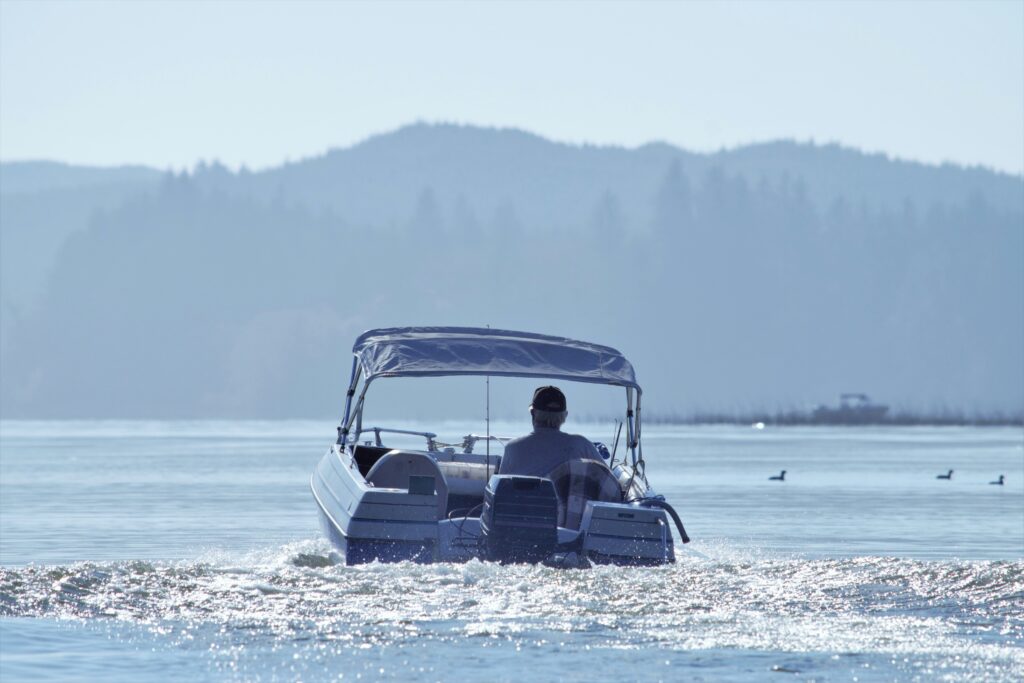
- Stern: In contrast, the stern is the back of the boat. It’s where you’d find the motor on many motorboats.
Port and Starboard
- Port: This term refers to the left side of the boat when you are facing the bow. So if you’re instructed to look to the port, you’ll be looking left!
- Starboard: On the opposite side, starboard refers to the right side of the boat as you face forward. Understanding these terms helps you navigate and orient yourself while onboard.
Aft and Forward
- Aft: This refers to anything that is toward the back of the boat. If you hear someone say “aft,” just remember it means the stern area.
- Forward: Similarly, this term indicates anything toward the front of the boat. It’s the area moving towards the bow.
Draft and Freeboard
- Draft: This is the vertical distance between the waterline and the bottom of the boat. Knowing your boat’s draft can help you avoid shallow areas.
- Freeboard: This refers to the distance from the waterline to the upper deck level. A higher freeboard offers better safety from waves.
Navigational Terms
Navigating the open water requires familiarity with specific terms that help you find your way.
Charts and GPS
- Charts: These detailed maps show water depths, submerged obstacles, navigational aids, and more. Familiarity with navigation charts is paramount for safe boating.
- GPS: The Global Positioning System is a satellite-based navigation tool that can pinpoint your exact location on the water. It’s a handy device to have onboard for navigation.
Bearings and Latitude/Longitude
- Bearings: This term refers to the direction of one point from another, usually expressed in degrees. Understanding bearings is vital for chart navigation.
- Latitude and Longitude: These are coordinate systems used to pinpoint locations on Earth. Latitude measures how far north or south you are, while longitude measures east or west.
Aids to Navigation
- Buoy: A floating marker that indicates safe passage, navigational hazards, or areas for anchoring. You’ll often see different colors and shapes that convey specific information.
- Lighthouse: These towering structures are often found along the shore and help guide boats safely, especially in dark or foggy conditions.
Safety Terminology
Safety should always be your top concern when it comes to boating. Here are some essential safety terms to know.
Life Jackets and Personal Flotation Devices (PFDs)
- Life Jacket: This is a type of personal flotation device that keeps you afloat in the event of an accident. Always ensure that life jackets are aboard and that everyone knows how to wear them correctly.
- PFD: This term encompasses all personal flotation devices, including life jackets, buoyancy aids, and more. Familiarize yourself with these to ensure everyone’s safety.
Man Overboard and Distress Signals
- Man Overboard: This is a critical situation where someone falls off the boat. Knowing how to react in this scenario can save lives. Practice retrieval techniques regularly.
- Distress Signals: These are visual or audible signals that convey you are in trouble and need help. Common signals include flares, flashing lights, and specific horn patterns.
First Aid Kit and Emergency Plan
- First Aid Kit: This kit should contain essential medical supplies to address minor injuries. Ensure it’s stocked and accessible on your boat.
- Emergency Plan: It’s vital to have a plan in place for emergencies. Know the procedures and share them with your guests.
Boat Components and Equipment
Understanding the parts of your boat and the various equipment can enhance your boating experience.
Hull and Deck
- Hull: This is the main body of the boat that sits in the water. Different hull designs affect speed and stability.
- Deck: The flat surface on the top of the hull where you move around. It’s where you’ll typically walk and manage most activities.
Motor and Propeller
- Motor: The engine that powers your boat. You’ll need to understand basic maintenance and operation to ensure smooth sailing.
- Propeller: This is the rotating blade that pushes the boat through the water. Knowing its parts and functionality can help with troubleshooting.
Anchor and Mooring
- Anchor: A device that holds your boat in place in the water. Understanding how to use your anchor can prevent drifting.
- Mooring: This refers to securing your boat to a designated location. It ensures that your boat remains in one place when not in use.

Water Conditions and Navigation
Understanding various water conditions and how they affect boating can enhance your experience on the water.
Tides and Currents
- Tides: These are the rise and fall of water levels in oceans and seas caused by gravitational forces between the Earth and moon. Knowing the tide schedule helps you plan your trips.
- Currents: The flow of water in a particular direction. Understanding local currents is essential for navigation and safety.
Waves and Swells
- Waves: These are caused by wind and can vary in size depending on conditions. Learning how to navigate rough waters is critical for safe boating.
- Swells: Unlike waves, swells are long, rolling waves that can travel long distances and may indicate changing weather conditions.
Types of Boating
Different styles of boating come with unique terms and equipment. Getting to know each type can help you choose the right boating experience.
Sailing
- Sail: The large piece of fabric that catches the wind to propel a sailboat. Familiarize yourself with different types of sails and their functions.
- Tack: This refers to when you change the direction of the boat by turning its bow into the wind. It’s crucial for maneuvering your sailboat effectively.
Power Boating
- Throttle: The lever that controls the speed of the engine. Understanding throttle control is key to smooth navigation.
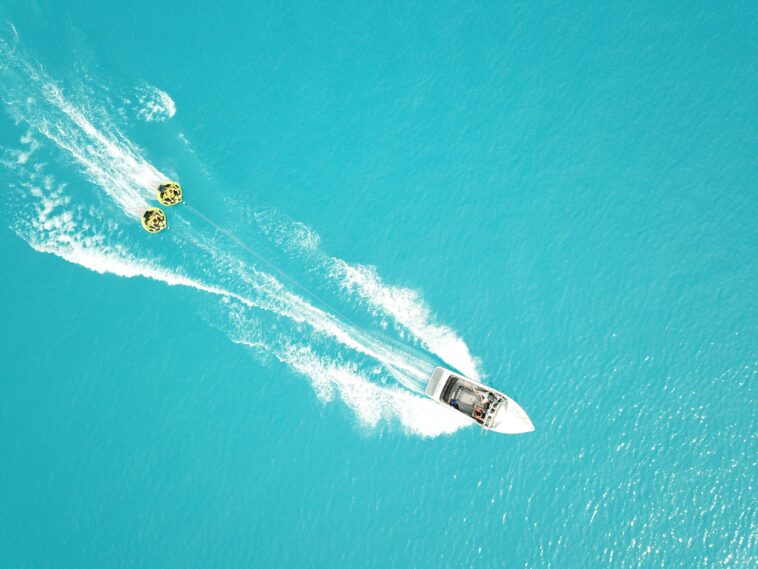
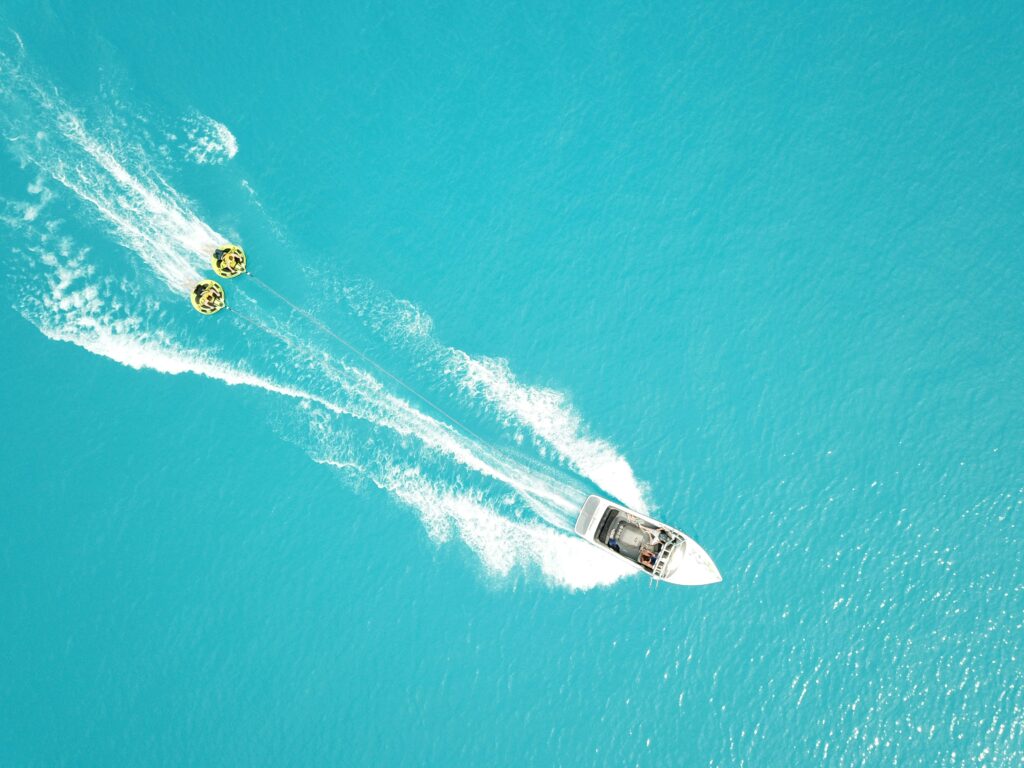
- Wake: The waves created by your boat as it moves through the water. Being aware of your boat’s wake is especially important for water sports.
Fishing Boating
- Bait and Tackle: These terms refer to what you use to catch fish. Understanding various bait types and tackle equipment is essential for a successful fishing trip.
- Fish Finder: A device used to locate fish underwater. This technology makes fishing more efficient and enjoyable.
Environmental Terms and Regulations
As a boater, being conscious of environmental terms and regulations can help protect waterways and marine life.
No-Wake Zones and Restricted Areas
- No-Wake Zone: Areas where boats must travel at low speeds to minimize damage to the shoreline and avoid creating wakes. Familiarizing yourself with these zones is crucial for compliance and safety.
- Restricted Areas: Designated locations where boating may not be allowed due to ecological or safety concerns. Always respect these restrictions for responsible boating.
Marine Life
- Endangered Species: Certain marine animals that are at risk of extinction. Educating yourself about local species can help promote conservation efforts.
- Habitat: The natural environment in which marine life thrives. Observing and protecting marine habitats is essential for sustainability.
Conclusion
Understanding common boating terms not only elevates your boating knowledge but also enhances your ability to communicate effectively with others on the water. As you familiarize yourself with the terms we’ve covered, you’ll feel more confident and empowered during your boating adventures.
So, as you prepare for your next outing, keep this guide handy. Your vitality on the water is greatly enhanced when you know what you’re talking about. May your journeys be safe, enjoyable, and filled with unforgettable memories!