

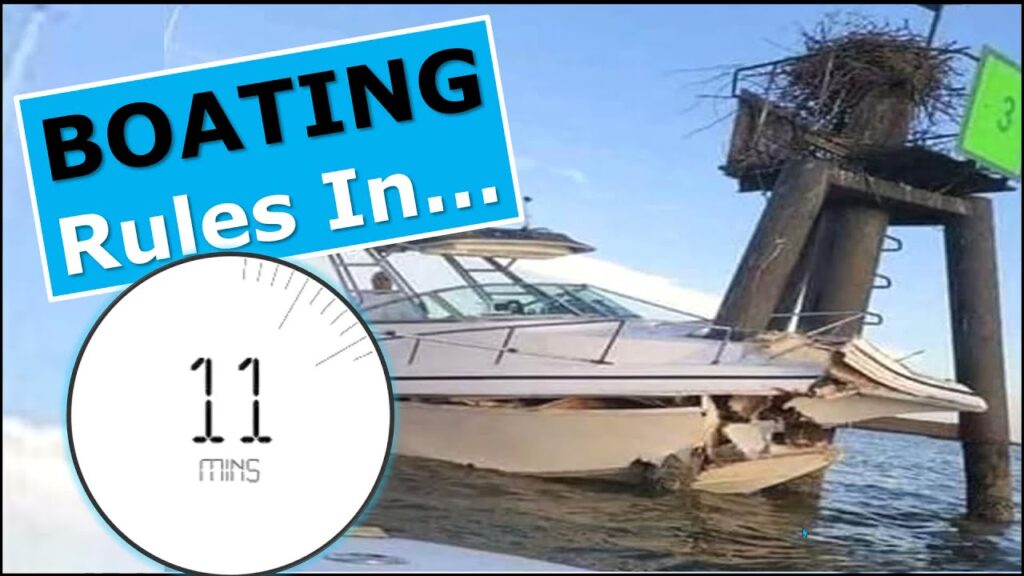
Understanding boating rules and safety is essential for a great time on the water. In just 11 minutes, you can equip yourself with the vital knowledge needed to navigate safely and confidently. This article covers the essential points every boater should be aware of, from docking techniques to essential safety tips that will help you avoid common pitfalls.
Capturing the wisdom of Captain Matt, you’ll find strategies designed to ease your boating experience, whether you’re a seasoned mariner or a newcomer. Learn how to handle your vessel with finesse, reduce stress while docking, and ensure that you enjoy every moment spent on the water. Happy boating awaits you!
Understanding Boating Regulations
Local vs. Federal Laws
When you’re out on the water, it’s crucial to be aware of both local and federal boating regulations. Local laws can vary significantly based on state and municipal guidelines. These can cover everything from speed limits in specific zones to prohibited fishing areas. Federal laws, on the other hand, stem from the Coast Guard and encompass broader regulations such as safety standards and navigation rules applicable across all states. Understanding the distinction and staying updated with both sets of regulations will help you avoid hefty fines and ensure a smooth boating experience.
Obtaining Necessary Permits
Before you set sail, check if you need any permits or licenses specific to your boating activities. Depending on where you’re located and the type of boating you plan to engage in, you may need a boating safety certificate or vessel registration. You can typically obtain these through your local boating authority or state wildlife agency. Ensuring that you have the correct permits not only keeps you compliant with the law but also enhances safety for you and other boaters.
Understanding Navigation Rules
Navigating the waterways isn’t just about knowing where you’re going; it also involves understanding the rules of the road – or in this case, the water. The International Regulations for Preventing Collisions at Sea (COLREGs) outline the navigation rules vessels must follow. These can include proper signaling, right-of-way rules, and lights requirements when boating at night. Familiarizing yourself with these rules ensures that you maintain safe distances from other vessels and avoid accidents on the water.
Safety Gear Essentials
Life Jackets: Types and Requirements
One of the most critical pieces of safety equipment you should never overlook is the life jacket. There are various types designed for different activities and users, including Type I (offshore), Type II (nearshore), and Type III (flotation aids). Each type has its purpose and should comply with local regulations regarding size, wearability, and capacity. As a rule of thumb, always ensure you and your passengers have an appropriate life jacket while on the boat, as it’s a legal requirement in many areas and a lifesaver in emergencies.
Flares and Signal Devices
Flares and other signaling devices should be a part of your safety arsenal. These tools are invaluable in emergencies, signaling for help in case of a breakdown or if someone goes overboard. Flares have a limited shelf life, so be sure to check their expiration dates and replace them when necessary. You might also consider carrying reflective flags or other signaling devices, as they can help alert nearby vessels to your situation.
First Aid Kits and Safety Equipment
Accidents can happen, even on a fun day out boating. That’s why having a well-stocked first aid kit on board is essential. Ensure your kit includes items like bandages, antiseptics, and any personal medications. It’s also wise to equip your boat with safety gear such as a fire extinguisher, an emergency whistle, and a flashlight. Being prepared can make all the difference in the event of an accident or injury.
Operator Responsibilities
Age Restrictions and Licensing
As an operator, you carry the responsibility of ensuring that you’re conducting your boating activities legally. Many states have age restrictions that require operators under a certain age to have completed a boating safety course. Checking your state’s regulations helps you ensure that you are compliant, preventing legal troubles and ensuring everyone’s safety on board.
Understanding the Responsibilities of Skippers
As the skipper, you’re the captain of your vessel, and that comes with significant responsibilities. You must ensure the safety of your passengers, comply with laws and regulations, and monitor weather conditions while on the water. In addition, you must have a solid understanding of your vessel’s capabilities and limitations. Being a knowledgeable, responsible skipper means everyone on board will have a safe and enjoyable experience.
Effect of Alcohol on Boating
It’s well-known that consuming alcohol can impair your judgment, and this is particularly important to remember while operating a boat. Just like driving a car, boating under the influence of alcohol is illegal in most places and can lead to severe penalties, including fines and imprisonment. Keep in mind that the effects of alcohol can be exacerbated by the sun, wind, and waves, increasing the risk of accidents. Keep the party atmosphere light without letting it interfere with safe boating practices.
Navigational Safety
Reading Buoys and Markers
Understanding buoy and marker systems is vital for your safety on the water. These floating markers provide critical information about navigation hazards, channels, and no-wake zones. Familiarize yourself with their meanings, such as red buoys marking the right side and green marking the left when returning from sea. Regularly monitor buoys as conditions can change with tides and weather, ensuring you are always navigating safely.
Understanding Charts and GPS Usage
Navigational charts and GPS are indispensable tools for safe boating. Charts provide detailed information about water depths, hazards, and shorelines, while GPS helps you determine your location and route. Before you head out, it’s beneficial to learn how to read charts and how to use GPS effectively. Familiarity with these tools can prevent you from running aground or finding yourself lost in unfamiliar waters.
Planning Safe Routes
Strategic planning of your boating route is a crucial component of ensuring navigational safety. Before you embark on your journey, consider the distance, anticipated weather conditions, and known navigational hazards along your path. Communicate your plans with someone on shore so they know your itinerary, should an emergency arise. A well-planned route will enhance your enjoyment and minimize risks while you’re out on the water.
Environmental Considerations
Protecting Marine Life
As a boater, you can play a significant role in protecting marine ecosystems. Always be mindful of wildlife areas and avoid disturbing marine life, whether it’s coming into contact with coral reefs or encroaching on habitats. Educating yourself about local fauna can help you appreciate and respect these vital ecosystems while you enjoy your boating experience.
Waste Disposal Regulations
Proper waste disposal is not just common courtesy—it’s the law. Many areas have strict regulations regarding the disposal of waste while on the water. Always use designated pump-out stations for sewage and follow local ordinances for disposing of other waste. Keeping the waterways clean is crucial in maintaining our oceans and lakes for future enjoyment.
Respecting Local Wildlife
Your boating activities must take into account the local wildlife. From nesting birds to marine mammals, many species are sensitive to disturbances. Maintain a safe distance whenever you encounter wildlife and observe from afar, allowing them to thrive in their natural habitat. Respecting wildlife is not only a matter of appreciation but a legal requirement in many areas.
Emergency Response Training
Importance of Safety Courses
Participating in boating safety courses emphasizes your commitment to safe boating practices. These courses, often available for free or at minimal cost, teach valuable skills, including navigation, equipment use, and emergency response. Completing a safety course not only enriches your understanding but can also lower insurance premiums and may be required by law in your area.
CPR and First Aid Training
Having CPR and basic first aid training can be lifesaving skills in emergencies. Understanding how to respond effectively to injuries and medical situations can make a difference in critical moments. Enroll in local courses that cover these vital skills, and consider keeping refresher materials on board as part of your first aid kit.
Dealing with Capsizing and Sinking
While nobody wants to think about emergencies, being prepared for situations like capsizing or sinking is crucial. Review procedures for righting a capsized vessel and ensure all passengers know how to use flotation devices and exit safely. Familiarizing yourself with emergency protocols beforehand can help you remain calm and effective should an emergency arise.
Weather Awareness
Understanding Weather Patterns
Being aware of the weather patterns in your region can greatly impact your boating experience. Familiarize yourself with local weather terms and patterns, such as squalls or afternoon thunderstorms, which can arise quickly. Monitoring weather conditions before and during your boating journey can help you avoid dangerous situations.
Using Weather Apps and Radios
Equipping yourself with weather radios or smartphone apps that provide real-time updates can be a game-changer. These resources provide valuable information about developing storms, temperature changes, and other critical data. Always check conditions before heading out and keep a way to access updates while on the water.
Recognizing Signs of Bad Weather
Understanding the early warning signs of inclement weather can save lives. Pay attention to changes in wind, cloud formations, or temperature drops. If you notice ominous signs, it’s best to turn back or seek shelter immediately. Learning to read the sky and responding appropriately can protect you and your passengers during unexpected weather changes.
Docking Techniques
Approaching the Dock Safely
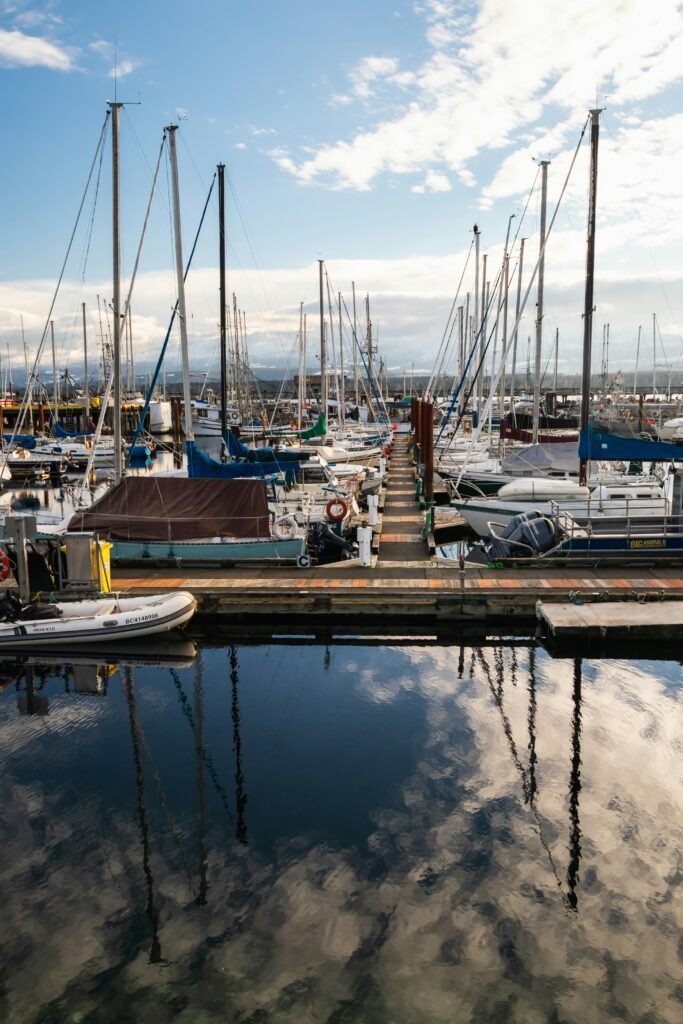
Approaching the dock may seem straightforward, but it requires practice and caution. Begin by slowing down well in advance, keeping an eye on wind and current influences. Ensure you’re communicating with your passengers, so everyone is synchronized and knows when to help with lines. A calm, controlled approach will make docking smoother for you and bystanders.
Securing Your Vessel
Once docked, securing your vessel is essential to prevent drifting or accidents. Use adequate fenders to protect both your boat and the dock from damage. Ensure that lines are tight enough to hold your boat in place without being overly restrictive. Double-checking your mooring can save you the hassle of unexpected detachment.
Common Docking Mistakes to Avoid
Even seasoned boaters can make errors when docking. Common mistakes include approaching too fast, failing to communicate with the crew, or not accounting for wind changes. To avoid these pitfalls, take your time, practice patience and thoroughly assess the docking environment before making your approach. Learning from your experiences can build your confidence and skill over time.
Handling Emergencies on Water
Man Overboard Procedures
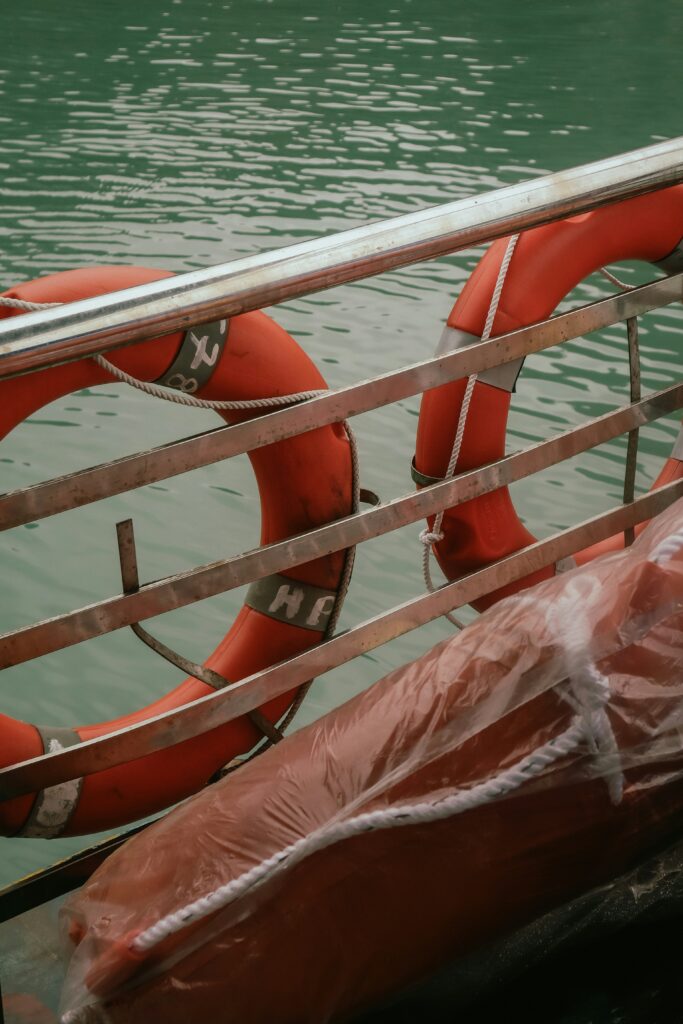
In the unfortunate event of a person going overboard, having a clear procedure in place is vital. Immediately shout “man overboard” to alert everyone on board. Reduce your speed and have someone keep their eyes on the victim as you circle back to retrieve them. Deploying a flotation device can aid in their quick recovery. Practicing these maneuvers ensures that everyone on board knows how to respond effectively.
Dealing with Mechanical Failures
Mechanical issues can arise unexpectedly, so being prepared is essential. Frequently check your equipment and have a troubleshooting plan in place for common problems. Carrying essential tools and spare parts can aid in resolving small issues. If a mechanical failure occurs, remain calm, assess your situation, and signal for assistance if necessary.
Communicating Emergencies Effectively
Should an emergency arise, effective communication is vital. Familiarize yourself with radio procedures, such as using “Mayday” for critical situations. Keep a designated person on lookout for nearby vessels who can provide assistance. Clear communication lines can make a significant difference in managing emergencies effectively.
Conclusion
Recap of Key Boating Rules and Safety
To recap, understanding and adhering to boating regulations, ensuring you have the right safety gear, and being aware of your responsibilities as a skipper are foundational practices. Staying informed about navigational safety, environmental considerations, emergency response, and proper docking techniques will enhance your confidence and enjoyment while boating.
Encouragement to Stay Informed
Being a responsible boater means continuously educating yourself. Staying updated with local regulations and best practices helps promote a safer experience on the water. Consider joining local boating clubs or online forums to connect with fellow boater enthusiasts and share knowledge and experiences.
Importance of Respecting Waterways
Ultimately, respecting waterways protects the environment while ensuring a pleasant boating experience for all. By adhering to rules, putting safety first, and being considerate of wildlife and other users, you contribute to the preservation of these beautiful spaces. So, grab your gear, stay informed, and enjoy all the wonderful adventures that await on the water!
⚓FREE for Boat Shoppers:
⚓
THREE Free Bonuses and Get the Best Boat Loan for Your New or Used Boat or Pontoon:
🛥️AVOID Docking Stress!
🛥️ 🛥️
If you are not 100% confident in your boat handling skills, get nervous docking, avoid fun situations because you’re not sure you can do it, stress over docking and can’t get your anchor to stick, this program is an absolute must for you
⚓One-on-One Advice from Captain Matt:
⚓ ⚓
Would having a conversation and the chance to ask Captain Matt your boat buying questions allow you to buy your next boat with confidence? There are now 2 options to have Captain Matt to be your boat buying consultant.
Click Here for You Boating Gear:
Discover BOATS FOR SALE TITLE \u0026 more at Boater’s Secret Weapon and Boat Buyer’s Secret Weapon.
We do not take ad money directly from any of these manufacturers:
Aluminum Fishing boats: Tracker, Lund, G3, Lowe, Ranger, Alumacraft, Crestliner, Xpress, Vexus, StarCraft, SmokerCraft
Pontoons \u0026 Tritoons: SunTracker, Bennington, Lowe, G3 SunCatcher, Crestliner, Sylvan, Godfrey, Avalon/Tahoe, Forest River, SouthBay, Trifecta, Berkshire, Barletta, Harris, Crest, Bentley, Manitou, Premier, Sweetwater, SanPan, Playcraft, Regency, Lexington, Misty Harbor, JC Pontoons, Quest, PrinceCraft, Legend Boats, Veranda, Hampton, Silver Wave, Weers, Sunset Bays, Riviera Cruisers, Switch Bow Riders and
Deck Boats; Sea Ray, Chaparral, Cobalt, Crownline, Regal, Bayliner, Tahoe, Monterey, Four Winns, Glastron, StarCraft, Hurricane, Stingray, Formula, Chris Craft, Shockwave, Rinker, Larson, Maxum, Mariah,
Surf and Wake Boats: Mastercraft, Malibu, Nautique, Axis, Tige, Centurion, Moomba, ATX, Supra, Heyday, KYMA, Axis, NTX, Supreme, Sanger, MB Boats
Cruisers: Sea Ray, Regal, Azimut, Viking, Cruisers Yacht, Prestige, Formula, Riviera Marine, Galeon, Princess, Sunseeker, Sabre, Tiara
Bass Boats: Tracker, Tahoe, Skeeter, Ranger, Nitro, Triton, Phoenix, Bass Cat, Caymas, Xpress, Lund
Center Consoles and Dual Consoles: Tahoe, Bayliner Trophy, Hurricane, Stingray, Key West, Boston Whaler, Carolina Skiff, Sea Hunt, Robalo, Sportsman, Nauticstar, Nautic Skiff, Grady White, Pursuit, Cobia, Tidewater, Sea Fox, Sea Pro, Scout, Regulator, Yellow Fin, Sailfish, Pathfinder, Pioneer, Everglades, Contender, EdgeWater, Blackfin, Parker, World Cat, Twin Vee, Freeman
Jet Boats: Yamaha Boats, Vortex, Scarab, KYMA, SeaDoo Switch
This information is provided for entertainment \u0026 isn’t legal, tax advice. You are responsible for applying it in a safe \u0026 practical manner based on your specific boating situation!
Thanks for checking out \u0026 supporting what we are doing here at
Happy Boating,
Captain Matt