



Have you ever found yourself wondering whether you need a boating license to drive a boat? It’s a common question among those who are intrigued by the open waters and the freedom that comes with boating. Understanding whether a license is necessary can not only help you comply with the law but also ensure that you’re prepared for a safe and enjoyable experience on the water.
What is a Boating License?
A boating license is a certification that demonstrates a person’s knowledge of boating safety, navigation, and laws. It’s akin to a driver’s license but tailored specifically for operating boats. Depending on your state or country, a boating license may be required to legally operate certain types of personal watercraft, motorboats, or sailing vessels.
Why Is Having a Boating License Important?
While it might seem like just another bureaucratic requirement, having a boating license is crucial for a few reasons:
- Safety: A licensed boater is likely to have a better understanding of signals, navigation rules, and emergency procedures, making the water safer for everyone.
- Legal Compliance: Operating a boat without proper licensing might attract penalties or fines, leading to more significant legal hassles.
- Insurance Benefits: Some insurance providers may offer lower rates or better coverage options for licensed boaters, providing peace of mind as well.
Do You Need a Boating License?
The answer isn’t a simple yes or no; it largely depends on where you plan to operate your boat. Different states and countries have various requirements for boating licenses. Let’s break it down:
United States Boating License Requirements
In the United States, boating laws vary widely from state to state. Many states require a boating safety education card, while others may not have any requirements at all. Here’s a quick overview:
| State | Boating License Required | Notes |
|---|---|---|
| California | Yes | Anyone operating a motorized vessel. |
| Florida | Yes (16 and over) | Must complete a safety course; exceptions for certain boat types. |
| New York | Yes (all ages) | Required for operating motorized boats. |
| Texas | Yes (under 13 years old) | Must be accompanied by an adult; must complete a safety course. |
| Michigan | No | Highly recommended but not legally required. |
| Illinois | Yes (under 18 years old) | Must complete a safety course. |
| Washington | Yes (under 12 years old) | License required if operating a boat with a motor. |
It’s essential to consult your local regulations to ensure you’re following the rules correctly.
International Boating License Requirements
Like their U.S. counterparts, other countries have their unique regulations regarding boating licenses.
| Country | Boating License Required | Notes |
|---|---|---|
| Canada | Yes (for motorized boats) | Requirements vary between provinces. |
| Australia | Yes (varies by state) | Must complete a safety course; varies by state. |
| United Kingdom | No formal license required | However, recommended to complete a safety course. |
| France | Yes | Boaters must have a permit to operate any motorized vessel. |
| Germany | Yes | Required for boats over a certain horsepower. |
Again, check local laws if you’re planning to boat outside the U.S.

How to Obtain a Boating License
If you find yourself in a location where a boating license is required, obtaining one is generally a straightforward process. Here’s how you can do it:
Step 1: Research Your Local Laws
The first step is to research the specific laws in your state or country regarding boating licenses. This can often be found on your state’s natural resources website or department of motor vehicles.
Step 2: Complete Required Courses
Most states require completion of a boating safety course. These courses are often available online or in-person and cover topics such as:
- Navigation Rules
- Emergency Procedures
- Weather Considerations
- Boat Maintenance
Step 3: Pass the Examination
After completing your coursework, you may need to pass an examination. This test will assess your knowledge on the material covered in the course.
Step 4: Obtain Your License
Once you’ve completed the necessary coursework and passed any required tests, you’ll usually receive a boating education card or license. This card may be issued by the state or an approved boating education provider.
Are There Exceptions to Licensing Requirements?
There are several exceptions to the licensing rules for certain types of boats and specific situations. Here are some key points to consider:
Age Limitations
In many states, individuals below a certain age may be required to complete a boating safety course and carry a license, while older boaters may not have the same obligation. For example, a 15-year-old might need a license to operate a motorized boat, while a 30-year-old may not.
Type of Watercraft
Not all watercraft require a license. For instance, a non-motorized kayak or sailboat may not necessitate a license in many jurisdictions. Always check local regulations to avoid surprises.
Temporary Operators
Certain states may allow inexperienced boaters to operate a boat temporarily under the supervision of a licensed adult. This can be a great way to learn the ropes while ensuring safety compliance.
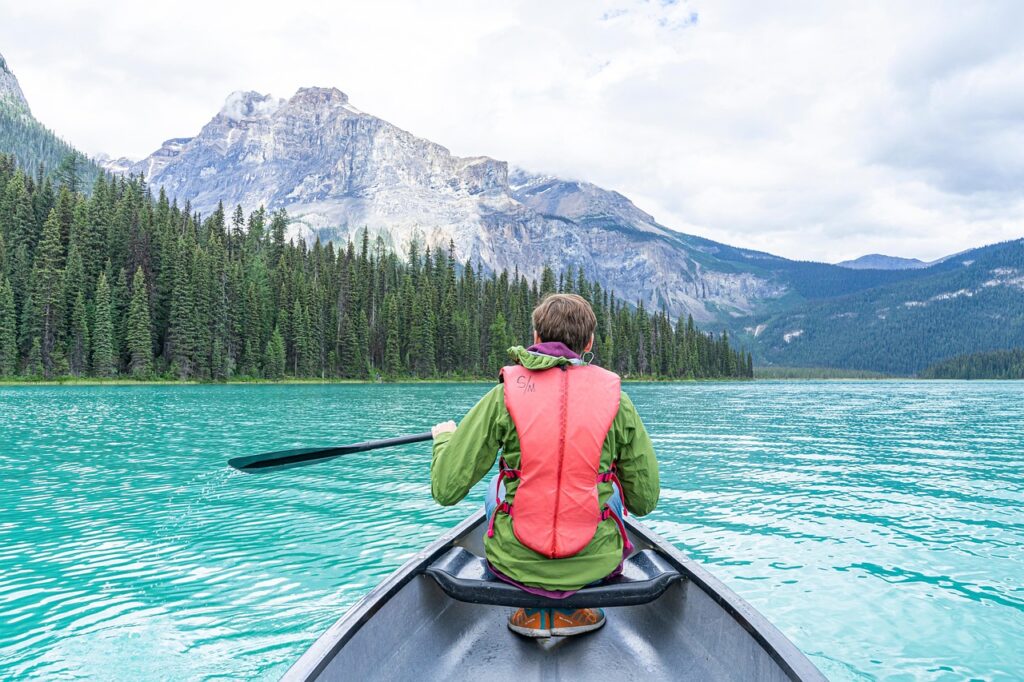
The Benefits of Boating Safety Courses
Even if a boating license isn’t required in your area, taking a boating safety course can be incredibly beneficial. Here’s why:
Enhances Safety Awareness
Boating safety courses teach important principles about navigating water bodies, handling emergencies, and understanding boat mechanics. This knowledge could very well save lives.
Familiarizes You with Regulations
The course will help you understand the local laws, ensuring you are compliant while enjoying your time on the water.
Insurance Discounts
As mentioned earlier, many insurance companies offer discounts to individuals who have completed boating safety courses, which can save you money in the long run.
Maintaining Your Boating License
Once you obtain your boating license, it’s essential to keep it valid. Here are a few tips on how to maintain your license:
Renewals
Some states require periodic renewals for boating licenses. Make sure you stay informed about how frequently you need to renew your license.
Continuing Education
Taking refresher courses is always a good idea, even if you’re not required to do so. Boating regulations can change, and revising safety practices keeps everyone safer on the water.
Staying Informed
Stay updated on local laws and regulations pertaining to boating. Regulations may change, and it’s crucial to be aware of these adjustments to remain compliant.

Consequences of Not Having a Boating License
Operating a boat without a necessary license can lead to several repercussions. Here’s what you might face:
Fines and Legal Penalties
Boating without a license can result in hefty fines. The cost varies by location but can be quite significant, so it’s best to do your due diligence.
Liability Issues
Should an accident occur while operating a boat without a valid license, you may face severe legal consequences, including potential liability for damages, injuries, or worse.
Insurance Complications
If you’re involved in an accident while unlicensed, your insurance may not cover damages, leaving you to pay out of pocket for repairs and medical bills.
Alternative Options for Non-Licensed Boaters
If you’re hesitant about going through the licensing process, there are alternative options available to still enjoy boating activities responsibly:
Rent a Boat with a Licensed Captain
If you don’t possess a boating license but wish to enjoy a day on the water, consider renting a boat with a licensed captain. This way, you can relax and enjoy without the pressures of operating the vessel yourself.
Join a Boating Club
Many boating clubs offer membership options that provide access to boats as well as training in boating safety. This can be an excellent way to learn essential skills without the need for immediate licensing.
Boating Rentals with Built-In Requirements
Some rental companies may not require a license, but they often conduct brief instructional sessions on boat operation before you head out. This can provide an excellent compromise while still keeping safety a priority.
Summary
Understanding whether you need a boating license to drive a boat is essential for ensuring that your time on the water is safe, enjoyable, and compliant with the law. Licensing requirements vary by location, and while some states mandate education and licensing, others may not. If boating is in your future plans, taking the time to research your local laws and consider completing a boating safety course is invaluable. By being proactive about your boating knowledge, you can enjoy the freedom of the water with confidence, knowing that you’re well-prepared for whatever comes your way. So, are you ready to set sail responsibly?