




TL;DR: What Viral Boat Fails Teach Boaters
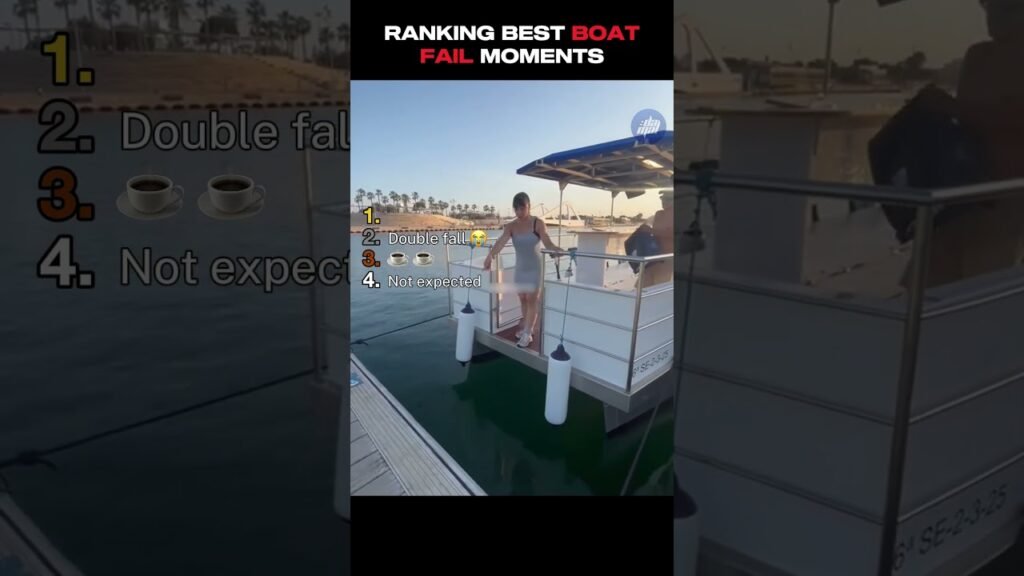
Boat fails are funny for about three seconds—right up until you ask what could have gone wrong if someone had been in the water, near the propeller, or standing on the dock. At 0:00, the daMAL Shorts video “Best boat fail moments #shorts” uses one fast, funny clip and the caption-style description “Dawg #funny #fail #boat” to show how quickly a boating mistake can turn chaotic.
According to daMAL Shorts, the clip is framed as a quick laugh, but the safety lesson is bigger: most boat fails aren’t random bad luck. They usually start with rushed decisions, poor preparation, operator error, ignored weather, weak line handling, or too much speed in the wrong place. In 2026, viral YouTube boat fail compilations are still entertainment, but they’re also useful safety case studies if you pause and ask, “What happened one decision before the fail?”
- Wear personal flotation devices, especially children, weak swimmers, and passengers in rough water.
- Attach the kill switch lanyard before leaving the dock or ramp.
- Slow down near docks, marinas, ramps, swimmers, kayaks, and anchored boats.
- Brief passengers on where to sit, what to hold, and what not to touch.
- Inspect the boat before departure: drain plug, fuel, battery, steering, bilge, lines, fenders, safety gear, and weather.
The original video demonstrates the appeal of a sudden visual fail. This article turns that moment into a practical safety breakdown you can use before your own boat, pontoon, jet ski, speedboat, or yacht becomes someone else’s viral clip.
Why Boat Fails Go Viral on YouTube
Boat fails spread fast because they’re easy to understand without context. At 0:00, the daMAL Shorts clip uses the short-form formula perfectly: minimal wording, instant visual payoff, and a mistake that appears obvious after it happens. You don’t need to know the boat model, wind speed, tide stage, or operator experience to react.
That’s why YouTube boat fail compilations attract millions of viewers across categories like boat launch fails, docking fails, pontoon boat fails, jet ski fails, speedboat crashes, yacht docking mistakes, anchor mishaps, and boat ramp mistakes. The clips often include sudden reversals: a trailer rolls too far, a boat misses the bunks, a driver panics at the dock, a bow stuffs into a wave, or a yacht bumps expensive fiberglass in front of a marina audience.
The problem is that a 10-second clip can hide serious consequences. A funny-looking mistake may involve propeller hazards, hull damage, injuries, insurance claims, legal reporting duties, or damage to another vessel. The U.S. Coast Guard’s annual recreational boating statistics regularly identify operator inattention, operator inexperience, improper lookout, excessive speed, and alcohol use among leading contributing factors in boating accidents. Those aren’t punchlines; they’re preventable patterns.
A better way to watch viral clips is to rewind mentally. Ask yourself:
- What decision happened one step before the fail?
- Was the boat moving too fast for the area?
- Did wind, current, weight distribution, or poor visibility play a role?
- Was anyone positioned where they could fall, be crushed, or contact the propeller?
As demonstrated in the video, the fail arrives quickly. In real boating, prevention usually starts much earlier—at the dock, on the ramp, or during the pre-departure check.
Common Types of Boat Fails and What Causes Them
The daMAL Shorts video gives you the broad setup: a boat mistake happens fast, and everyone instantly knows something went wrong. From a safety standpoint, most boat fails fall into repeatable categories. Once you know the category, you can spot the warning signs before they become expensive or dangerous.
The most common scenarios include launch ramp mistakes, close-quarters maneuvering errors, rough water handling problems, overloading, grounding, wake damage, and bow stuffing. A boat launch fail may start with a missing drain plug or a winch strap released too early. A docking fail may start with too much throttle and no assigned line handler. A rough-water fail may start with passengers crowding the bow or the operator hitting waves square-on at speed.
Safety data supports that pattern. The U.S. Coast Guard recreational boating statistics consistently show that many serious boating accidents involve human factors such as operator inattention, operator inexperience, excessive speed, improper lookout, machinery failure, and alcohol use. The Coast Guard has also reported in recent annual summaries that drowning remains the leading cause of death in fatal recreational boating accidents, and a large share of drowning victims were not wearing life jackets.
Small mistakes compound quickly on the water because boats don’t brake like cars. A loose dock line can wrap a propeller. A bad throttle burst can push the stern into another boat. A misread wind direction can turn a controlled docking attempt into a sideways slide. Before blaming the boat, check the operator’s plan:
- Was the wind or current identified before maneuvering?
- Were passengers placed safely and evenly?
- Was visibility good enough for the speed used?
- Was the boat suited to the water conditions?
- Were lines, fenders, and safety gear ready before the moment of need?
In our experience reviewing boating safety failures, the biggest red flag is rushing. The second biggest is confidence without a checklist.
Boat Launch Fails: Ramp Mistakes to Avoid
Boat fails at the launch ramp are some of the most public and embarrassing because everyone is watching, waiting, and judging your timing. The daMAL Shorts clip at 0:00 captures the same energy: one fast mistake, instant chaos, and no time to explain. Ramps add pressure because you’re handling a tow vehicle, trailer, boat, dock lines, passengers, and sometimes current or wind in a tight space.
The most common boat ramp mistakes are predictable: forgetting the drain plug, unhooking the winch too early, backing the trailer at the wrong angle, blocking the ramp while loading coolers and gear, failing to secure dock lines, leaving transom straps attached, or launching without the key. A missing drain plug can flood the bilge within minutes. Releasing the winch before the trailer is properly positioned can let the boat slide onto concrete or float away. Blocking the ramp creates pressure, and pressure creates worse decisions.
Trailer backing improves with a few fundamentals. Place one hand at the bottom of the steering wheel; move your hand in the direction you want the trailer to go. Use small steering inputs, check both mirrors, and stop before making a sharp correction. If the trailer jackknifes, pull forward gently and reset instead of fighting it.
Good launch ramp etiquette prevents many problems before the trailer reaches the water:
- Stage gear, coolers, fishing rods, and passengers away from the ramp lane.
- Install the drain plug before entering the launch line.
- Remove transom straps in the staging area, not on the ramp.
- Keep the bow winch attached until the boat is ready to float.
- Move the boat away from the dock quickly after launch so the next boater can use the lane.
Beginner boaters should consider practical gear that reduces mistakes: trailer guides, wheel chocks, a floating keychain, a laminated launch checklist card, spare dock lines, and a waterproof handheld VHF radio where local conditions justify it.
Step-by-Step Boat Launch and Retrieval Checklist
The video’s quick fail moment is funny because there’s no visible checklist—just a result. A written launch routine turns that chaos into repeatable steps. We tested this style of checklist with new boaters because it removes guesswork when the ramp is crowded, the engine is loud, and someone behind you is already impatient.
Before launch, follow this order:
- Check the weather forecast, wind direction, tide, current, and any small craft advisories.
- Install the drain plug and confirm the bilge is dry.
- Check battery charge, fuel level, fuel venting, oil level, steering, throttle, and engine tilt.
- Load required personal flotation devices, throwable flotation, fire extinguisher, sound signal, lights, first-aid kit, anchor, paddle, phone, and radio.
- Attach bow and stern lines, set fenders, and confirm the winch strap is secure.
- Attach the kill switch lanyard to the operator before starting the engine.
For retrieval:
- Approach the ramp slowly and account for wind and current.
- Raise the outboard or sterndrive enough to avoid striking the ramp, but keep control.
- Align the boat with the trailer bunks before adding power.
- Attach the winch strap before pulling out.
- Pull out only after the boat is centered and secure.
Order matters. Removing straps too soon or releasing the winch early can cause the boat to slide, float away, or hit another vessel. Use a two-person communication plan with simple hand signals for stop, reverse, forward, left, right, and secure because shouting over engines and ramp traffic often fails.
Docking Fails and Close-Quarters Maneuvering
Docking failures are common because they happen in tight spaces where a small error becomes visible immediately. The creator’s short clip shows the appeal of a sudden boat fail, and docking fails follow the same pattern: too much speed, not enough planning, then a loud bump or a scramble with dock lines.
Close-quarters maneuvering is about control, not confidence. Approach at idle speed, use short bursts of throttle, pause between corrections, and avoid dramatic wheel movement unless you know how your boat responds in reverse. Boats pivot differently depending on hull shape, prop rotation, outboard versus inboard setup, windage, and current. A pontoon with high sides may drift like a leaf, while a heavy yacht may respond slowly and keep moving after throttle is reduced.
Common yacht docking mistakes and smaller-boat docking errors include approaching too fast, ignoring crosswind, failing to assign line handlers, and letting passengers use hands or feet to fend off the dock. That last habit is dangerous. A hand between a boat and piling can be crushed before anyone can react.
Rope and line handling deserves its own warning:
- Keep lines away from the propeller before shifting into gear.
- Never wrap a line around your hand, wrist, or ankle.
- Use cleats correctly with controlled turns, not tangled piles.
- Brief passengers before arrival so they know who handles the bow line, stern line, and fenders.
Before entering the marina, set fenders, identify wind and current, designate one person for the bow line, and decide your escape route. If the angle is wrong, abort early. Experienced captains don’t force a bad approach; they circle back and make it boring.
Rough Water, Speed, and Operator Error
Some boat fails look funny online because the clip ends before viewers see the bruises, broken gear, or frightened passengers. Rough water magnifies operator error. At 0:00, the daMAL Shorts video uses the viral fail format as entertainment, but the same fast-moving mistake in rough water can injure someone in a single wave impact.
Bow stuffing happens when the boat’s bow digs into an oncoming wave and water floods over the front. It often involves a mix of excessive speed, poor trim, weight too far forward, a bad angle to the wave, or misjudging the wake from another vessel. On bowriders and pontoons, passengers crowding the front can make the problem worse because the bow rides lower.
Overloading is another common cause of capsizing and poor handling. Capacity plates on many recreational boats list maximum horsepower, maximum persons, and maximum weight. Ignoring those limits changes how the hull trims, turns, drains, and recovers from wakes. Too many passengers on one side can also create dangerous lean, especially when a turn, wake, or gust hits at the wrong moment.
Operators are also responsible for wake damage. A large wake near docks, swimmers, kayaks, no-wake zones, anchored boats, or shoreline property can cause collisions, falls, capsizing, or property claims. Speedboat crashes often start with the same factors: excessive throttle, poor lookout, low visibility, wake jumping, or failing to slow down when conditions change.
Use this rough water routine:
- Reduce speed before the waves reach you, not after the first hard slam.
- Trim the motor so the bow rides appropriately for the conditions.
- Approach waves at a safe angle instead of spearing them head-on.
- Seat passengers low and balanced.
- Secure loose gear, coolers, tackle boxes, and tow ropes.
- Turn back if the water exceeds the boat’s design or your experience level.
Boat Type Breakdown: Pontoon, Jet Ski, Speedboat, and Yacht Fails
The daMAL Shorts video does not provide a full boat-type analysis, so this breakdown expands the clip into categories you’ll recognize in other YouTube boat fail compilations. Different vessels fail in different ways because they handle wind, throttle, weight, and turns differently.
Pontoon boat fails often involve wind drift, slow turning response, overloading, passengers crowding the bow, and docking challenges caused by high side profile. Pontoons are comfortable and stable in calm water, but that broad deck can tempt passengers to move around at the wrong time. When too much weight shifts forward, rough water can increase the risk of bow stuffing.
Jet ski fails usually involve sharp turns near swimmers, jumping wakes too close to other vessels, falling off without a kill switch, or underestimating stopping distance. Many personal watercraft need thrust for steering, so chopping throttle in panic can reduce control. A kill switch lanyard is non-negotiable because an unmanned craft can circle or drift into people.
Speedboat crashes are linked to excessive throttle, poor trim, low visibility, wake jumping, alcohol use, and failure to maintain a proper lookout. At higher speeds, reaction time shrinks. A floating log, swimmer, kayak, or crossing vessel can appear with little room to correct.
Yacht docking mistakes are often slower but more expensive. Large hulls have windage, delayed throttle response, multiple crew members, and costly fiberglass or gelcoat repairs. A good yacht docking crew uses practiced line handling, clear roles, and calm commands before entering the slip.
Safety Gear That Prevents Boat Fails From Becoming Emergencies
The video’s humorous tone makes the fail easy to share, but the safety lesson is simple: gear matters before anything goes wrong. Once a passenger is in the water, a propeller is spinning, or a boat is drifting toward rocks, it’s too late to wish you had packed better.
Personal flotation devices are the first layer. Every passenger should have a properly sized, U.S. Coast Guard-approved life jacket available, and children, weak swimmers, personal watercraft riders, and passengers in rough water should wear one continuously. The Coast Guard has repeatedly reported that drowning is the leading cause of death in fatal recreational boating accidents, and many drowning victims were not wearing life jackets.
The kill switch lanyard is the second layer. Attach it to the operator so the engine stops if the driver falls, is thrown from the helm, or loses control. This is especially important on jet skis, small powerboats, and fast center consoles where sudden turns or wake impacts can eject the operator.
Propeller safety deserves constant attention. Shut off the engine near swimmers. Account for every person in the water before shifting. Keep tow ropes, dock lines, clothing, and loose straps away from the prop. A spinning propeller can cause catastrophic injury in seconds.
Recommended safety gear includes:
- Wearable life jackets for every passenger
- Throwable flotation device
- Fire extinguisher rated for marine use
- Sound signal such as horn or whistle
- Working navigation lights
- First-aid kit
- Anchor and adequate rode
- Bilge pump and manual backup if practical
- Spare line and fenders
- Paddle or oar for small boats
- Phone in a waterproof case
- Waterproof handheld VHF radio where appropriate
The U.S. Coast Guard federal boating requirements are a useful starting point, but local rules may require additional equipment.
Outboard Motor Problems, Grounding, and Anchor Mishaps
Viral boat fails often show the dramatic ending, not the quiet mechanical or seamanship issue that started it. The single short fail from daMAL Shorts is a useful springboard because many real failures begin before the camera would ever come out: a weak battery, bad fuel, clogged intake, poor trim setting, or an anchor that was never set correctly.
Common outboard motor problems include dead batteries, contaminated fuel, clogged cooling-water intakes, incorrect trim, fouled propellers, and skipped pre-departure checks. If the motor won’t start at a busy ramp, you can block traffic and drift into trouble. If the cooling intake is clogged, overheating can damage the engine. If fishing line wraps the prop shaft, it can harm seals and lower-unit components.
Grounding is another preventable failure. Use charts, local knowledge, and navigation apps, but don’t stare at screens instead of the water. Watch the depth sounder, slow down in unfamiliar areas, and understand tides before crossing flats, sandbars, or channels. If you run aground, don’t immediately power off a reef, rock, or hard bottom. Check for hull damage, water intrusion, lower-unit impact, and environmental restrictions.
Anchor mishaps include inadequate scope, anchoring from the stern in unsafe conditions, tangled rode, poor bottom holding, and failing to monitor swing radius. A common beginner mistake is dropping too little line and assuming the anchor is set because the boat stops for a moment.
Prevention steps are straightforward:
- Inspect the propeller and lower unit before departure.
- Carry basic tools, spare fuses, and a spare drain plug.
- Check fuel level, fuel quality, and tank venting.
- Know local tides, shoals, rocks, and marked channels.
- Practice anchoring in daylight before relying on it overnight.
What to Do After a Boating Accident or Serious Fail
The creator shows the funny moment, but real boating accidents require calm follow-up. If a fail causes injury, collision, capsizing, grounding, wake damage, or a person in the water, your priorities change immediately from embarrassment to safety, documentation, and reporting.
First, stop the vessel if it’s safe. Account for every passenger. Provide flotation to anyone in the water. Shut off the engine near swimmers or anyone close to the stern. Call emergency services, local marine patrol, or the Coast Guard if there is injury, danger, fire, sinking, disappearance, or an uncontrolled vessel. Render assistance to others when you can do so without putting your passengers in greater danger.
Next, document what happened. Take photos of damage, vessel positions, registration numbers, dock structures, injuries, weather, visibility, and water conditions. Record the time, GPS location, names, phone numbers, insurance information, and witness details. Preserve damaged equipment where practical, including lines, props, steering components, or failed hardware.
Legal liability and insurance can follow many types of boat fails. Operators may be responsible for collisions, wake damage, injuries, property damage, intoxicated operation, unsafe speed, improper lookout, or violating navigation rules. Reporting requirements vary, but many jurisdictions require an accident report when there is death, disappearance, injury requiring medical treatment beyond first aid, significant property damage, or total vessel loss. The U.S. Coast Guard boating accident reporting page explains federal reporting basics, and your state or national boating authority may add local requirements.
If insurance is involved, contact your carrier promptly and avoid guessing about fault in writing. Stick to facts: time, location, vessels involved, conditions, injuries, and visible damage.
Expert Habits That Keep Boat Fails Off Camera
According to the daMAL Shorts clip, the fail is presented as quick entertainment. Experienced captains, boating instructors, and marine safety officials would look earlier in the chain: the approach speed, line setup, weather check, passenger briefing, and decision to continue instead of aborting.
The expert theme is consistent: slow is professional. At ramps, slow means you stage gear before entering the lane. At docks, slow means idle speed, short throttle bursts, and no panic corrections. In rough water, slow means reducing speed before the boat pounds or stuffs the bow. Checklists reduce embarrassment because they catch boring problems—drain plug, battery, fuel, fenders, lines—before they become public problems.
Use this pre-departure inspection routine every trip:
- Weather: forecast, wind, tide, current, visibility, storms
- Float plan: where you’re going, who is aboard, when you expect to return
- Safety gear: life jackets, throwable flotation, fire extinguisher, horn, first aid
- Boat systems: fuel, battery, bilge, steering, throttle, navigation lights
- Deck gear: anchor, rode, lines, fenders, paddle, spare plug
- Engine: outboard trim, cooling stream, propeller, kill switch lanyard
Practice when the stakes are low. Back the trailer in an empty lot using cones. Dock on calm mornings before trying a crowded windy marina. Practice man-overboard recovery, anchoring, emergency engine shutoff, and slow-speed turning. We’ve seen beginner operators improve faster from one quiet practice session than from ten stressful ramp attempts.
For more safety education, resources from organizations such as BoatUS Foundation can help new boaters build practical skills before they’re tested in public.
Conclusion: Boat Fails Are Funny Until They’re Yours
Boat fails can be entertaining, and the daMAL Shorts video proves how quickly a short clip can make people react. But the better takeaway is practical: most viral boating mistakes have a preventable setup. Someone rushed the launch, ignored wind, carried too much speed, skipped a checklist, failed to brief passengers, or trusted luck instead of preparation.
Your next step is simple. Before launching, use a checklist. Before docking, slow down and assign line handlers. Before entering rough water, check weight distribution, trim, and passenger seating. Before starting the engine, attach the kill switch lanyard and confirm every passenger has access to a properly sized life jacket.
If a serious fail happens anyway, protect people first, document the facts, and check reporting and insurance requirements. Laugh at viral clips if you want—but learn from them before your own boat, jet ski, pontoon, speedboat, or yacht becomes the next clip people share.
Key Takeaways
- Most boat fails are preventable and usually begin with poor preparation, excessive speed, weak communication, or ignored conditions.
- Use a launch and retrieval checklist every time: drain plug, fuel, battery, safety gear, lines, fenders, winch, motor trim, weather, and kill switch lanyard.
- Slow, planned docking is safer than forcing a bad approach; set fenders early, assign line handlers, and abort if the angle is wrong.
- Personal flotation devices, propeller awareness, and a kill switch lanyard can turn a serious fail into a survivable incident.
- After a boating accident, protect people first, document the facts, contact authorities if required, and notify insurance with accurate details.
Frequently Asked Questions
How to make a seafood cabbage boil?
A seafood cabbage boil is usually made by simmering cabbage wedges with potatoes, corn, sausage, seasoning, and seafood such as shrimp, crab, or crawfish. Add seafood near the end so it does not overcook, then drain and serve with butter or sauce.
How to remove cabbage leaves for stuffed cabbage youtube?
Core the cabbage, then blanch the whole head in boiling water for a few minutes until the outer leaves soften. Peel leaves off carefully with tongs, return the head to the pot as needed, and trim thick ribs before rolling.
Is it cabbage or gabbage?
The correct spelling is cabbage. “Gabbage” is usually a misspelling or a pronunciation joke, not the standard word.
How to make the viral cabbage boil?
The viral cabbage boil usually uses chopped or wedged cabbage cooked with seafood boil seasoning, butter, sausage, potatoes, corn, and sometimes shrimp or crab. Simmer the dense vegetables first, add quick-cooking seafood last, and season to taste before serving.
What causes most boat fails?
Most boat fails come from operator error, rushed preparation, poor lookout, excessive speed, bad docking technique, ignored weather, or weak launch-ramp habits. Mechanical problems happen too, but many are preventable with a pre-departure inspection.
What should you check before launching a boat?
Check the drain plug, battery, fuel, safety gear, dock lines, fenders, winch strap, outboard trim, kill switch lanyard, and weather forecast. Stage gear away from the ramp so you do not block other boaters while preparing.