




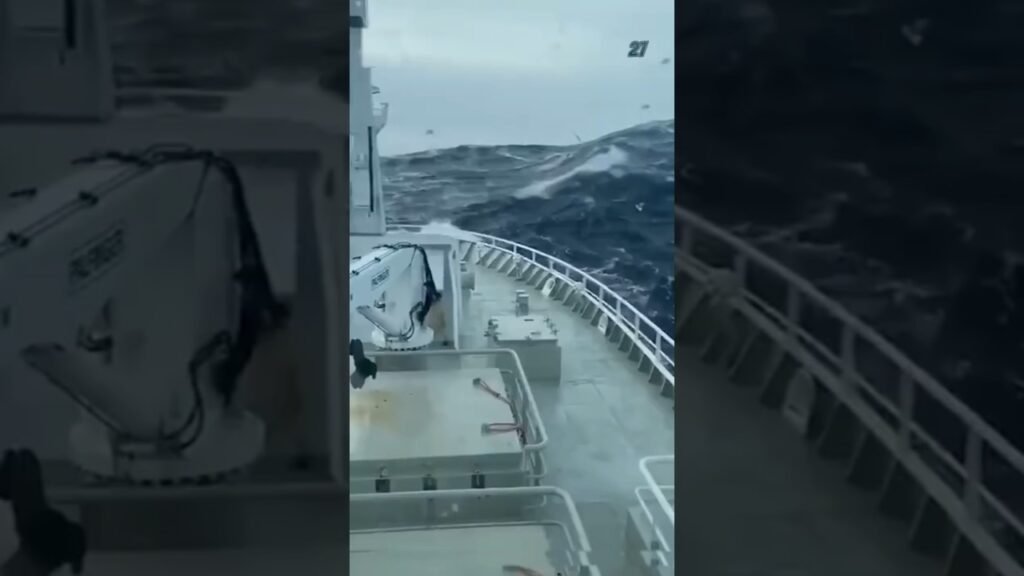
TL;DR: What Lynne Aura’s Boat Fails Video Really Shows
Boat fails are funny until you recognize how quickly a bad launch, hard docking hit, wake mistake, or capsizing can turn into injury, property damage, or a rescue call. Lynne Aura’s YouTube Short, “Boat Fails You Can’t Unsee #shorts”, uses the fast-hit style of YouTube Shorts to grab attention immediately at about 0:00.
According to Lynne Aura’s framing, the clips are unforgettable because they show mistakes that are visually obvious within seconds. The bigger lesson is more serious: many funny boating accidents come from preventable problems involving speed, boat ramps, docking, rough seas, poor communication, weak preparation, and operators copying risky behavior they’ve seen online.
In 2026, YouTube Shorts and viral video compilations are still one of the main ways casual viewers encounter boat fails, even when the original footage lacks context. That means you have to watch with a safety filter, not just a humor filter.
- Wear life jackets before the boat leaves the dock, not after conditions get bad.
- Slow down near docks, ramps, swimmers, kayakers, marinas, and anchored boats.
- Check weather, tide, wind, and rough seas before departure.
- Secure the trailer and boat before launching or retrieving.
- Know right-of-way rules and keep a proper lookout.
- Don’t copy risky stunts from short clips, jet ski fails, or speedboat crashes.
This article expands beyond the short video by adding practical boating safety lessons, Coast Guard-style guidance, insurance considerations, credibility checks for viral clips, and a prevention checklist you can use before your next launch.
Why Boat Fails Go Viral on YouTube Shorts
The opening at 0:00 works because the title promises “boat fails” you can’t unsee, and that fits the speed of YouTube Shorts perfectly. You don’t need a long setup to understand a boat sliding off a trailer, a pontoon drifting sideways into a dock, or a personal watercraft rider losing control. The stakes are visible: water, speed, hard surfaces, and people close to danger.
Boat fails perform well in YouTube videos because they combine three things viewers process almost instantly: motion, risk, and surprise. A docking fail can go wrong in under seconds. A wake damage clip may show a boat rocking violently before anyone explains who created the wake. A speedboat crash or ship collision clip can look shocking even when the full cause happened minutes earlier.
The emotional mix is also powerful. Viewers laugh, cringe, feel secondhand embarrassment, worry someone was hurt, then replay the clip to figure out what went wrong. As demonstrated in the video, short-format boating mishaps don’t need narration to hold attention; the visual mistake does the work.
Still, not every viral clip is useful. Before treating any fail compilation as a lesson, ask:
- What caused the incident? Speed, wind, current, inexperience, alcohol, equipment failure, or poor planning?
- Was anyone hurt? A “funny” fall can involve head trauma, propeller injuries, or drowning risk.
- Could this happen near you? Think about your local ramp, lake, marina, inlet, river current, or no-wake zone.
Funny boating accidents can include boat launch fails, pontoon boat fails, sailboat mishaps, jet ski fails, docking hits, and speedboat crashes. The exact Lynne Aura Short is brief, but it belongs to this broader online category where entertainment and safety lessons sit side by side.
The Most Common Types of Boat Fails Seen Online
Lynne Aura’s short at roughly 0:00–0:10 reflects a common pattern in viral video compilations: viewers see the mistake first and the missing background later, if ever. That’s why boat fails online can feel simple when the real causes are layered. A 3-second clip might hide minutes of bad preparation.
The most recognizable categories include boat launch fails, boat ramp mistakes, docking fails, ship collision clips, capsizing, wake damage, navigation errors, and personal watercraft wipeouts. Each category has its own risk pattern. Launch failures often involve trailers and communication. Docking failures usually involve wind, current, throttle control, and panic corrections. Capsizing is often linked to overloading, poor balance, rough seas, or taking water over the bow.
Boat ramp mistakes are common because ramps combine too many pressures in one place: slippery algae-covered concrete, backing a trailer, impatient lines, pedestrians, traffic, waves, and inexperienced operators. In our experience reviewing boating safety incidents and marina reports, ramps are where small oversights become public very quickly. Forgetting a drain plug, releasing the winch too soon, or backing too deep can produce an expensive mistake before the boat has even started its trip.
Docking fails deserve their own attention because the margin for error is tiny. A mph approach may sound slow, but a heavy pontoon, center console, or cabin boat carries enough momentum to damage gelcoat, pilings, railings, or another vessel. Larger-scale mishaps such as ship collision footage, rough seas, and speedboat crashes should be treated differently from slapstick clips. If someone is injured, missing, or rescued by the Coast Guard, it isn’t comedy; it’s a warning.
Boat Launch Fails and Boat Ramp Mistakes
The early seconds of the Lynne Aura Short, around 0:00–0:15, lean into visually obvious mishaps—the exact kind of footage that makes boat launch fails spread fast. A launch fail usually follows a chain, not a single mistake. The trailer is misaligned, the driver backs too far, the drain plug is forgotten, the bow line is loose, or the operator releases the boat before someone is aboard and ready.
Trailering a boat is a separate skill from operating a boat. Before you arrive, check tire pressure, trailer lights, hitch rating, safety chains, wheel bearings, winch strap condition, and local ramp etiquette. Many states also require working trailer lights and proper registration, and some ramps post specific staging rules.
- Stage away from the ramp. Load coolers, rods, life jackets, and dock lines before blocking the lane.
- Remove transom straps before backing down, but keep the winch line attached until the boat floats.
- Install the drain plug before the hull touches water.
- Use bow and stern lines so the boat doesn’t drift away.
- Assign one communicator to guide the driver with clear hand signals or a phone call.
One practical rule: if you feel rushed, pull out of line and reset. Most ramp disasters start when someone hurries because others are watching.
Docking Fails, Wake Damage, and Marina Mishaps
The short’s fail-compilation style around 0:10–0:25 is exactly why docking clips are so common online. A tiny throttle error near a fixed dock, piling, fuel pier, or neighboring boat becomes obvious immediately. There’s no hiding it, and there’s usually an audience.
The leading causes of docking fails are predictable: approaching too fast, ignoring wind and current, shifting too late, confusing forward-neutral-reverse, throwing lines after the boat is already out of position, and letting passengers stand where they can crush fingers or legs. Overcorrecting with the wheel is another classic mistake. Boats don’t respond like cars because they pivot, drift, and carry momentum.
Wake damage is less dramatic on camera but often more expensive. A large wake near a marina, anchored boats, kayakers, swimmers, shorelines, or no-wake zones can tear lines, slam hulls into docks, swamp small craft, and trigger complaints or citations. According to our research, many local boating enforcement agencies treat wake violations seriously because the operator is responsible for the effect of their wake, not just their speed.
- Prepare lines and fenders before entering the marina.
- Approach at idle speed, using short throttle bursts only when needed.
- Choose one speaker so passengers don’t shout conflicting instructions.
- Account for wind and current before committing to the angle.
- Abort early if the setup is wrong. Circling around is cheaper than forcing it.
What Funny Boating Accidents Teach About Safety
Lynne Aura presents the clips as unforgettable from the first moment, but unforgettable footage is most useful when you pause and ask what the operator could have done differently. The creator’s premise turns entertainment into a practical reminder: a laugh-worthy moment on land can become life-threatening on water.
Water hides risk. A person who falls during a docking fail may hit their head, inhale water, become trapped between a boat and dock, or drift toward a propeller. Cold shock can affect breathing and muscle control within the first minute of sudden immersion. Even strong swimmers struggle when they’re injured, clothed, surprised, or separated from the boat.
Life jackets are the simplest boating safety lesson. The U.S. Coast Guard has repeatedly identified drowning as a leading cause of recreational boating fatalities, and in many fatal drowning cases victims were not wearing life jackets. A properly fitted life jacket matters more than one stored under a seat because emergencies rarely give you time to search.
Personal watercraft and jet ski fails deserve extra caution. They combine speed, tight turns, passenger instability, shallow-water riding, and limited physical protection. A rider thrown at 25–40 mph can hit water hard enough to suffer serious injury, and a second rider may be struck by the craft or another boat.
Use viral clips as a checklist for your own behavior:
- Take a state-approved boating safety course before operating alone.
- Brief passengers on seating, handholds, life jackets, and emergency procedures.
- Attach the engine cut-off switch when required or available.
- Avoid alcohol; impairment affects judgment, balance, reaction time, and night vision.
- Slow down in crowded areas, near docks, in channels, and around anchored boats.
Capsizing, Rough Seas, and Rescue Scenarios
The high-stakes tone implied by the Lynne Aura video title around 0:00–0:05 matters because some boat fails move beyond embarrassment into emergency response. Capsizing is one of those moments. In plain language, capsizing means a vessel overturns or becomes swamped so badly that normal operation is lost.
Common causes include overloaded weight, passengers shifting suddenly, beam seas striking the side, taking waves over the bow, sharp turns at speed, poor trim, and bad balance. Small boats, jon boats, kayaks, overloaded pontoons, and low-freeboard vessels are especially vulnerable. Anchoring mistakes can also contribute if a boat is held stern-to waves or current, allowing water to come aboard.
Rough seas require decisions before you leave the dock. Check marine forecasts, wind direction, tide changes, inlet conditions, thunderstorms, fog, and small craft advisories. A 15-knot wind against an outgoing tide can make an inlet far rougher than the same wind over open water. If the forecast mentions steep chop, confused seas, or building afternoon wind, shorten the trip or stay in protected water.
Ocean rescue, helicopter rescue, and Coast Guard response may become necessary when boaters are injured, stranded, separated from the vessel, or unable to navigate home. The U.S. Coast Guard Boating Safety Division at uscgboating.org offers safety resources that are worth checking before the season starts.
- Put life jackets on immediately and keep everyone together.
- Stay with the boat if it’s floating and safe; it is easier for rescuers to see than a person.
- Call Mayday on VHF Channel 16 if there is grave danger.
- Use flares, lights, whistles, mirrors, or an emergency beacon if available.
- Conserve phone battery and share GPS coordinates clearly.
Collisions, Navigation Errors, and Speedboat Crashes
The broad boat fails theme at roughly 0:00–0:30 is useful because many short clips show impact without explaining the navigation mistake behind it. A collision may look sudden, but the real error often started earlier: the operator failed to keep a lookout, misread markers, drove too fast for visibility, or assumed another vessel would move.
Common navigation errors include misunderstanding red and green channel markers, cutting across a channel, ignoring right-of-way rules, traveling too fast at night, and relying only on a phone map with weak signal or outdated chart data. Phones are useful backups, but they should not replace charts, depth awareness, navigation lights, and a sober operator paying attention.
Ship collision clips are different from recreational mishaps. Large commercial vessels have restricted maneuverability, limited stopping distance, blind spots, and deep-draft routes. Even if a ship appears slow, it may need hundreds or thousands of feet to stop or turn. Never cross close ahead of a ship, and don’t assume the bridge crew can see a small boat tucked near the bow or stern quarter.
Speedboat crashes are another high-risk category. Speed magnifies everything: wake jumping, sharp turns, alcohol, poor visibility, passenger position, and failure to read chop. Passengers standing, sitting on gunwales, or riding on the bow in unsafe conditions can be ejected quickly.
- Assign a lookout when traffic, darkness, towing, or rough water limits visibility.
- Reduce speed in traffic, fog, rain, narrow channels, and near shore.
- Learn buoy systems before entering unfamiliar waters.
- Use navigation lights correctly from sunset to sunrise and during restricted visibility.
- Give commercial vessels a wide berth and never cross close ahead.
Legal and Insurance Consequences After Boat Fails
The creator’s entertaining presentation at 0:00 contrasts sharply with what happens after real boat fails. A clip may last seconds; the paperwork can last months. Docking damage, wake damage, ramp crashes, capsizing, and collisions may involve marina rules, state boating laws, negligence claims, insurance deductibles, repair estimates, and sometimes criminal charges.
Property damage can be deceptively expensive. A scratched hull, bent propeller, cracked lower unit, damaged dock piling, or broken lift can cost far more than a new boater expects. If wake damage causes another vessel to strike a dock or injures a passenger, the operator who created the wake may still face liability depending on local law and evidence.
Accidents may need to be reported when there is death, disappearance, injury requiring more than basic first aid, vessel loss, or significant property damage. Exact reporting thresholds vary by jurisdiction, so check state boating authority rules before the season begins. Coast Guard documentation may also matter in federally regulated waters or serious incidents.
Insurance carriers commonly examine operator behavior, speed, intoxication, maintenance records, navigation choices, weather conditions, and whether required safety equipment was aboard. If a boat was overloaded, operated recklessly, used commercially without proper coverage, or driven by an excluded operator, coverage questions may become complicated.
- Check for injuries first and call emergency services if needed.
- Move people out of immediate danger without creating a second collision.
- Exchange information with other vessel owners, passengers, dock managers, or witnesses.
- Photograph damage, location, weather, registration numbers, and dock conditions.
- File required reports with local authorities, marine police, or the Coast Guard where applicable.
- Avoid admitting fault before speaking with your insurer, especially if facts are still unclear.
How to Tell Credible Boat Fail Videos From Staged Clips
Lynne Aura’s YouTube Short format at approximately 0:00–0:20 is built for speed, which means source details are often stripped away. That doesn’t make the clip useless, but it does mean you should be careful before assuming every viral boating accident happened exactly as presented.
Credible boat fail videos usually have traceable details: an original uploader, consistent lighting, realistic water movement, matching audio, visible registration numbers, marina signs, weather conditions, location clues, or news follow-up. Recycled clips often appear on multiple accounts with different captions. Staged clips may show suspicious camera placement, exaggerated reactions, or physics that don’t match the supposed impact.
AI-generated or heavily edited clips are another concern in 2026. Water, wakes, reflections, ropes, prop wash, and human balance are hard to fake perfectly, but short video formats can hide flaws. Watch for warped rails, changing hull shapes, inconsistent shadows, impossible wave patterns, and audio that doesn’t match the action.
Use every clip as a case study rather than a dare. Pause it, identify the hazard, decide what should have happened, then apply that lesson before launching your own boat. Cross-check serious incidents with reputable boating resources, local marine police, natural resources agencies, or Coast Guard safety updates. As the video shows, the hook is entertainment; your job is to extract the prevention lesson.
- Ask who filmed it and whether the original source is linked.
- Look for location clues such as ramp names, vessel numbers, signs, or landmarks.
- Check whether the audio fits the distance, impact, and crowd reaction.
- Be skeptical of captions that claim “Coast Guard rescue” or “ship collision” without proof.
- Don’t normalize risky behavior just because a clip gets millions of views.
Boat Fails Prevention Checklist for Real Boaters
The memorable nature of the Lynne Aura Short from about 0:25 to the end is a useful trigger: before your own boat becomes the next clip, build a repeatable routine. The best prevention checklist covers four phases: before leaving home, at the ramp, underway, and returning to the dock or trailer.
Before leaving home: confirm registration, fuel, battery charge, drain plug, weather, tide, route, float plan, trailer tire pressure, hitch lock, lights, safety chains, and required equipment. Carry properly fitted life jackets for every person, a throwable flotation device where required, fire extinguisher, sound-producing device, navigation lights, first aid kit, anchor, VHF radio, and emergency signaling tools.
At the ramp: stage gear away from the launch lane, remove straps, install the plug, attach dock lines, brief helpers, and keep the winch line connected until the boat floats. If trailering a boat still feels awkward, practice backing in an empty parking lot before a busy Saturday morning.
Underway: assign a lookout, obey no-wake zones, keep passengers seated safely, watch weather changes, avoid alcohol, maintain distance from commercial traffic, and slow down before wakes, bridges, marinas, and narrow channels. For anchoring mistakes, remember that scope, bottom type, swing radius, current, and wind shift all matter. Avoid anchoring from the stern in rough conditions because waves can come over the transom and swamp the boat.
Returning to dock or trailer: prepare lines and fenders early, approach at idle speed, communicate clearly, abort bad angles, and never let passengers use hands or legs as bumpers. Check regional boating rules before each trip, including state registration requirements, boater education laws, alcohol limits, no-wake zones, ramp rules, and equipment requirements. Prevention isn’t dramatic, but it’s cheaper than becoming a viral clip.
Final Thoughts: Watch Boat Fails, Then Boat Better
Lynne Aura’s short works because it captures the instant drama of boat fails: a mistake happens, everyone reacts, and viewers replay the clip. But the real value comes after the laugh. Ask what failed—planning, communication, speed control, weather judgment, trailer setup, navigation, or safety gear—and you’ll get something useful from even the shortest video.
If you boat, paddle, ride personal watercraft, crew on a sailboat, or help at a ramp, treat viral clips as reminders to slow down and prepare. Wear the life jacket, check the forecast, brief passengers, learn docking in calm conditions, practice trailering, respect no-wake zones, and keep emergency gear where you can reach it.
The next practical step is simple: before your next outing, run the four-phase checklist above and pick one weak skill to improve. Maybe it’s backing the trailer. Maybe it’s docking in wind. Maybe it’s learning markers and right-of-way rules. The best boaters aren’t the ones who never make mistakes; they’re the ones who learn before the mistake becomes expensive, dangerous, or unforgettable for the wrong reason.
Key Takeaways
- Viral boat fails are entertaining, but most point to preventable safety problems involving speed, ramps, docking, weather, navigation, or preparation.
- Life jackets, a proper lookout, weather checks, safe docking speed, and trailer preparation reduce the risk of the most common boating mishaps.
- Short clips often lack context, so treat every video as a case study rather than proof that risky behavior is normal or safe.
- Legal and insurance consequences after boat fails can include accident reports, claims, deductibles, fines, lawsuits, or criminal charges.
- Before every trip, use a four-phase checklist: before leaving home, at the ramp, underway, and returning to dock or trailer.
Frequently Asked Questions
What is the best seasoning for cabbage?
The best seasoning for cabbage is usually a mix of salt, black pepper, garlic, onion, and a little acid such as vinegar or lemon juice. Smoked paprika, caraway seeds, bacon, butter, or red pepper flakes can add more depth depending on whether you want it savory, smoky, or spicy.
How do you remove cabbage leaves for stuffed cabbage?
Cut out the core, place the cabbage in simmering water, and peel leaves away as they soften. You can also freeze the whole head overnight, thaw it, and remove softened leaves without boiling, which many cooks find easier for stuffed cabbage.
What are some easy cabbage recipes?
Easy cabbage recipes include sautéed cabbage with garlic, boiled cabbage with butter, cabbage soup, coleslaw, roasted cabbage wedges, and stuffed cabbage rolls. For a quick meal, slice cabbage thinly and cook it with sausage, onions, and a little broth until tender.
How do you make boiled cabbage taste good?
Don’t overboil it; cook cabbage only until tender, then season it well. Add butter, salt, pepper, garlic, vinegar, lemon juice, bacon drippings, or herbs to prevent it from tasting flat.
What are the most common causes of boat fails?
The most common causes are excessive speed, poor ramp preparation, docking too fast, ignoring wind or current, weak lookout habits, alcohol use, overloading, and bad weather decisions. Many boat fails are preventable with life jackets, a pre-departure checklist, clear communication, and basic boating safety training.
What should you do after a boating accident?
Check for injuries first, call emergency services if needed, and move people out of immediate danger. Then exchange information, photograph damage, identify witnesses, contact your insurer, and file any required report with local authorities or the Coast Guard.